Writing down a language that had no writing
——The thirteen songs Chiri Yukie left, and their preface
The Ainu language had no script. The stories were told aloud; the person who heard them remembered them, and told them again. That is how they were passed on.
In 1922, at nineteen, Chiri Yukie wrote those stories down. Deciding, herself, how they were to be written. Then she translated them into Japanese herself, and gathered them into a single book.
This page is a place to retrace, with verifiable facts, what the film could not tell.
① How she wrote it — roman letters, in her own way
To write down a language that has no script, you must first decide how to write it. What Chiri chose was roman letters. But she did not simply take over a system that already existed: she assembled her own way of writing it, fitted to the sounds of Ainu🟡 Disputed.
The book is laid out as facing pages. Ainu in roman letters on the left, a Japanese translation on the right. The first of the songs opens like this🟢 Confirmed (Aozora Bunko; base text Iwanami Bunko, from the Kyōdo Kenkyūsha edition of 1923).
Shirokanipe ranran pishkan,
konkanipe ranran pishkan.
Silver droplets falling, falling all around, golden droplets
falling, falling all around.
The same words stand side by side in two scripts. One of the two was a string of letters no one had ever written before.
⚠️To say that she "created a script" is not accurate. What she assembled was a method for writing Ainu in roman letters.
② Thirteen songs — the table of contents, as it stands
The kamuy yukar (カムイユカㇻ) gathered into the book number thirteen. In the table of contents, the roman title (AEKIRUSHI) stands beside the Japanese title🟢 Confirmed. Every one of the titles is taken from a line repeated inside the song itself.
| The Japanese title | The roman title in the original |
|---|---|
| The song the owl god sang of itself, "Silver droplets falling, falling all around" | Shirokanipe ranran pishkan |
| The song the fox sang of itself, 「トワトワト」 | Towa towa to |
| The song the fox sang of itself, 「ハイクンテレケ ハイコシテムトリ」 | Haikunterke Haikoshitemturi |
| The song the hare sang of itself, 「サンパヤ テレケ」 | Sampaya terke |
| The song the demon of the marsh sang of itself, 「ハリツ クンナ」 | Harit kunna |
| The song the young wolf god sang of itself, 「ホテナオ」 | Hotenao |
| The song the owl god sang of itself, 「コンクワ」 | Konkuwa |
| The song the god of the sea sang of itself, 「アトイカ トマトマキ クントテアシ フム フム!」 | Atuika tomatomaki kuntuteashi hm hm! |
| The song the frog sang of itself, 「トーロロ ハンロク ハンロク!」 | Tororo hanrok hanrok! |
| The song little Okikirmui sang of himself, 「クツニサ クトンクトン」 | Kutnisa kutunkutun |
| The song little Okikirmui sang of himself, "This sand is red, red" | Tanota hurehure |
| The song the otter sang of itself, 「カッパ レウレウ カッパ」 | Kappa reureu kappa |
| The song the pond mussel sang of itself, 「トヌペカ ランラン」 | Tonupeka ranran |
Owl, fox, hare, wolf, frog, otter, pond mussel, and the god of the sea — not one of the singers is human. A kamuy sings of itself, in its own voice. That is the form called "kamuy yukar (the songs of the kamuy)."
And most of the titles are set down as sound, with the meaning left untranslated. "Towa towa to," "Sampaya terke," "Tororo hanrok hanrok!" — these are lines like a refrain, repeated inside the song, and the sound itself has become the name of that song.
Towa towa to. Hanrok hanrok. …The hand that decided "this part is not to be translated" is still there, I think, in the table of contents.
③ The preface — it begins in pride and ends in prayer
The preface to Ainu shin'yōshū is one Chiri wrote on 1 March 1922🟢 Confirmed. What is well known is a passage from the middle, but read straight through from beginning to end, this piece of writing traces a clear arc.
It begins in pride.
Long ago, this wide Hokkaido was a land of freedom for our ancestors. Living at ease and in gladness, held in the embrace of beautiful nature like innocent children, they were truly the favoured children of nature — what happy people they must have been.
Hunting bear in winter, putting out a boat to fish in summer, gathering butterbur in spring, taking salmon in autumn — the life of the four seasons is drawn in a single paragraph.
In the middle, it turns to pain. Here is that passage.
Oh, those who are perishing…… that is our name now; what a sorrowful name it is that we bear.
⚠️These are words written in 1922, by a nineteen-year-old. The Ainu people today are living on, carrying their identity as a people and their own culture (joint statement by the presidents of three learned societies — the Anthropological Society of Nippon, the Japanese Archaeological Association and the Japanese Society of Cultural Anthropology, 2025). This passage is quoted as words written from where she stood at that time.
And it ends in prayer.
Time flows on without ceasing; the world advances without end. …If from among us as we are now there should someday come forward even two or three strong ones, the day when we walk in step with the advancing world will come before long. That is truly our earnest hope, the thing we pray for morning and evening.
And at the end she writes why she made this book.
I, who was born an Ainu and grew up inside the Ainu language, have set down with my clumsy pen one or two of the very smallest among the many tales our ancestors gathered to tell each other for pleasure, on rainy evenings and snowy nights, whenever they had leisure.
If it can be read by the many people who would come to know us, then I, together with my own people and our ancestors, shall feel truly boundless joy, happiness beyond anything.
"If it can be read" — this one line, written a hundred years ago, is addressed to the person reading now.
④ The course of it — until the notebooks came
- 🟢 Confirmed 1903, born at Noboribetsu in Hokkaido. In 1909, to the home of her aunt Kannari Matsu at Chikabumi in Asahikawa. She lived there with her grandmother Monashinouku (モナシノウク), the three of them together.
- 🟢 Confirmed 1917, admitted to the Asahikawa Municipal Girls' Vocational School, fourth out of 110.
- 🟢 Confirmed The summer of 1918, Kindaichi Kyōsuke, a researcher of the Ainu language, visits Kannari Matsu on an introduction from John Batchelor, and meets Chiri.
- 🟢 Confirmed 1920, she graduates from the girls' vocational school. She had fallen ill and was keeping to her bed, and Kindaichi sends her notebooks, recommending that she write the songs down in roman letters. The transcribing begins here. In 1921 she sends Kindaichi a notebook headed "Ainu densetsushū" (a collection of Ainu legends).
- 🟢 Confirmed May 1922, she goes up to Tokyo. She lodges at Kindaichi's house and works on the proofs of the book.
- 🟢 Confirmed 18 September of the same year, she dies of heart disease. Nineteen years old.
- 🟢 Confirmed In August of the following year, 1923, Ainu shin'yōshū is published (Kyōdo Kenkyūsha, on an introduction from Yanagita Kunio). The author never held the finished book in her hands.
- 🟢 Confirmed 1978, it is taken into Iwanami Bunko. It goes on through new printings to this day.
⑤ Her younger brother — Chiri Mashiho
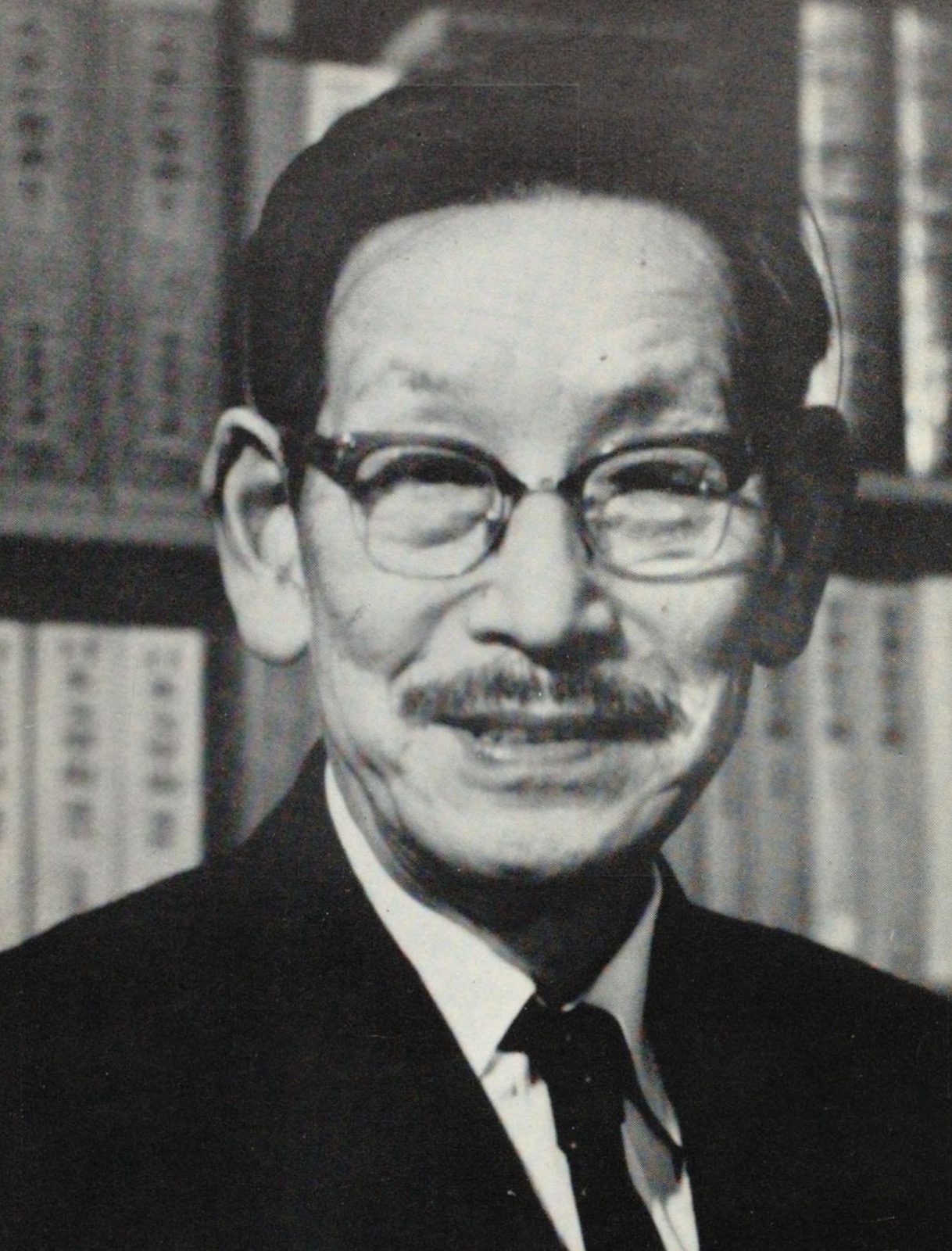
Chiri Yukie had a younger brother. Chiri Mashiho (1909–1961). He became a scholar of the Ainu language, wrote Bunrui Ainugo Jiten, a classified dictionary of Ainu, as a professor at Hokkaido University, and received the Asahi Culture Prize for 1954🟢 Confirmed.
The brother, born four years before she wrote the prayer in the preface — "if someday even two or three strong ones come forward" — walked that road. One of the "two or three" his sister prayed for turned out to be her brother.
⑥ Her relationship with Kindaichi Kyōsuke — views differ
On the relationship between Chiri and Kindaichi, views differ among researchers. This page does not stand on either side.
Those who speak of a benefactor, and of work done together = the meeting, the notebooks he sent, her going up to Tokyo and lodging with him, and the book being brought to publication. Kindaichi himself left a chapter, "On Chiri Yukie," in his memoir Kokoro no Komichi🟢 Confirmed.
Those who read it again critically = in recent years there is scholarship that reopens the question of the asymmetry between wajin (ethnic Japanese) researchers and Ainu narrators, within the frame of linguistics in imperial Japan. 安田敏朗, Kindaichi Kyōsuke to Nihongo no Kindai (Heibonsha Shinsho, 2008); Ikyō no Shi: Chiri Yukie, sono Mawari, ed. 西成彦 and 崎山政毅 (Jinbun Shoin, 2007), and others🟢 Confirmed (we have confirmed the bibliographic details only; we have not read the texts).
The chronology at the Chiri Yukie Ginnoshizuku Memorial Hall uses no words of evaluation; it records only actions — "recognises her gift," "sends notebooks and recommends transcribing in roman letters." This page follows that restraint.
Her brother Mashiho, for his part, wrote this in his first paper🟡 Disputed (as a rebuttal to a paper that took an Ainu funeral as its object of analysis).
I think the value of scholarship is not absolute. …Scholarship that wounds and goes on wounding the hearts of others is therefore without value.
A question put to scholarship, from the side being studied.
⑦ Where the notebooks are
- 🟢 Confirmed The Chiri Yukie notebooks = a Tangible Cultural Property designated by Hokkaido. They are held at the Hokkaido Prefectural Library (Ebetsu). They are the manuscript from which Ainu shin'yōshū came.
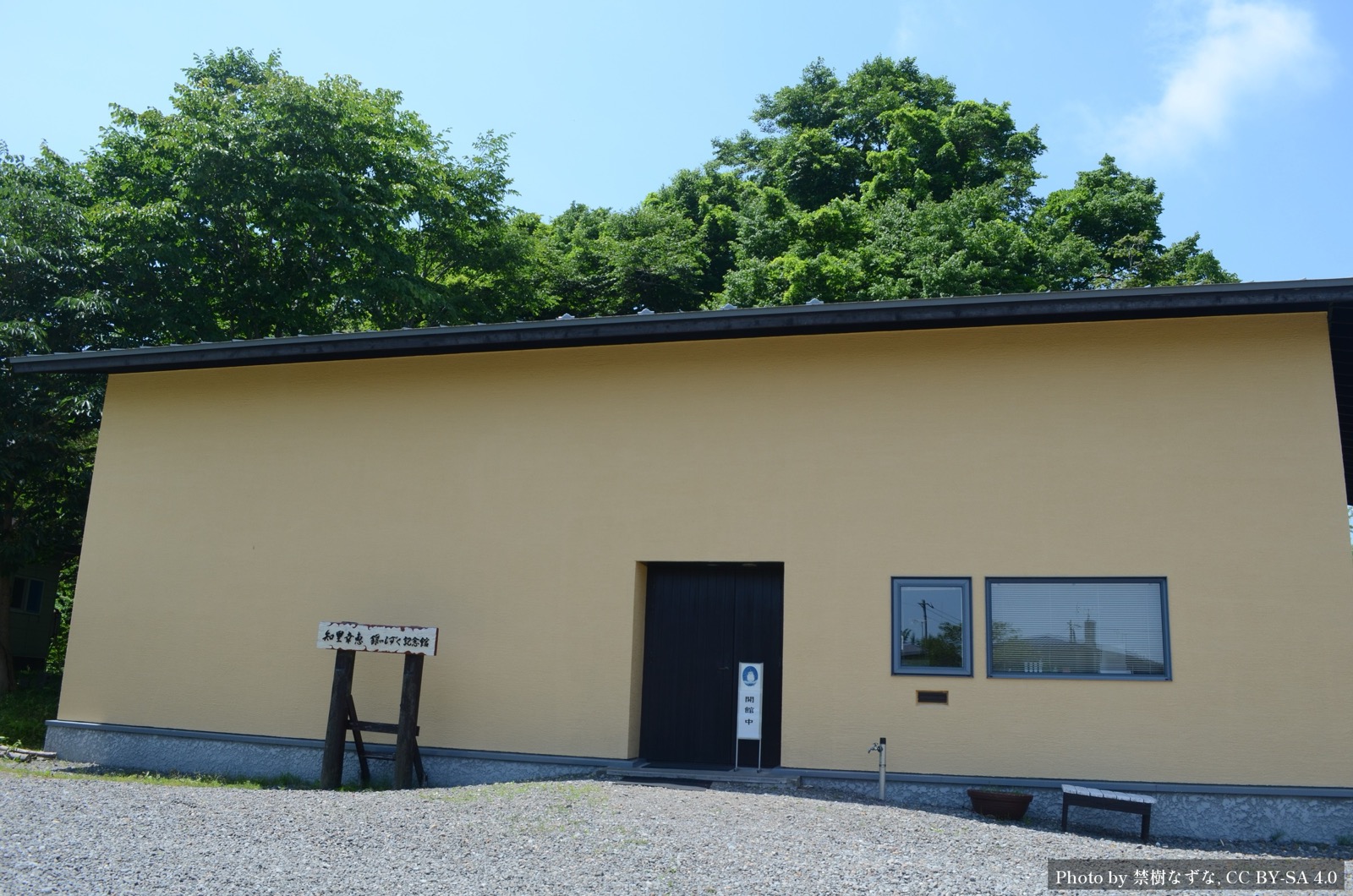
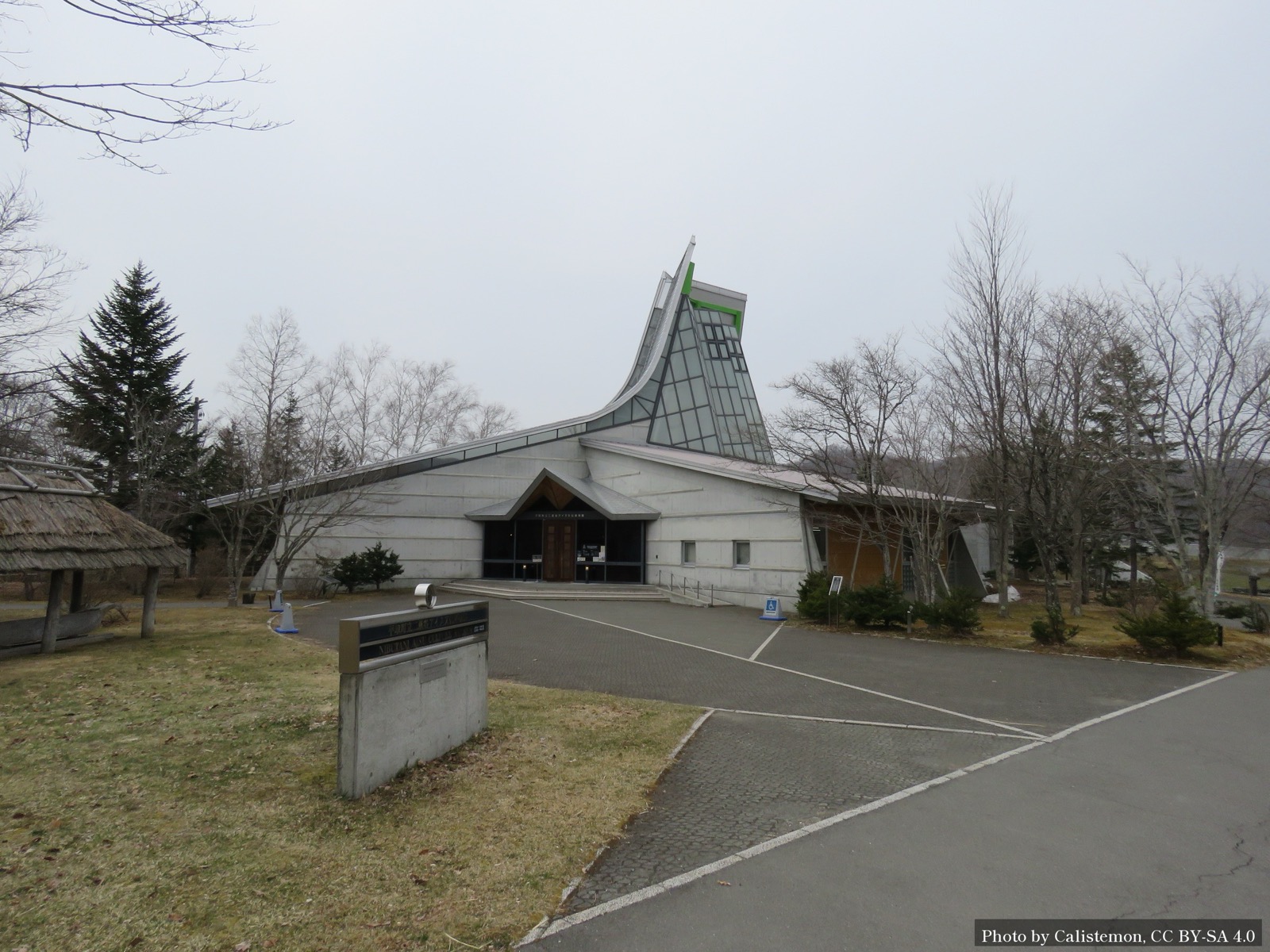
- 🟢 Confirmed The Chiri Yukie Ginnoshizuku Memorial Hall (Noboribetsu, Hokkaido; opened 2010) = holds diaries, letters and postcards. A facsimile edition, Chiri Yukie Nōto, has also been published.
- 🟢 Confirmed The Asahikawa City Museum holds one notebook in her own hand as well.
- The diaries and letters can be read in book form = Chiri Yukie: Nikki・Shokanshū, her diaries and letters (Kadokawa Sophia Bunko, August 2025).
The paper she wrote it down on is still there, in the library at Ebetsu. …Which is to say that a hand that moved a hundred years ago is still there.
⑧ In photographs
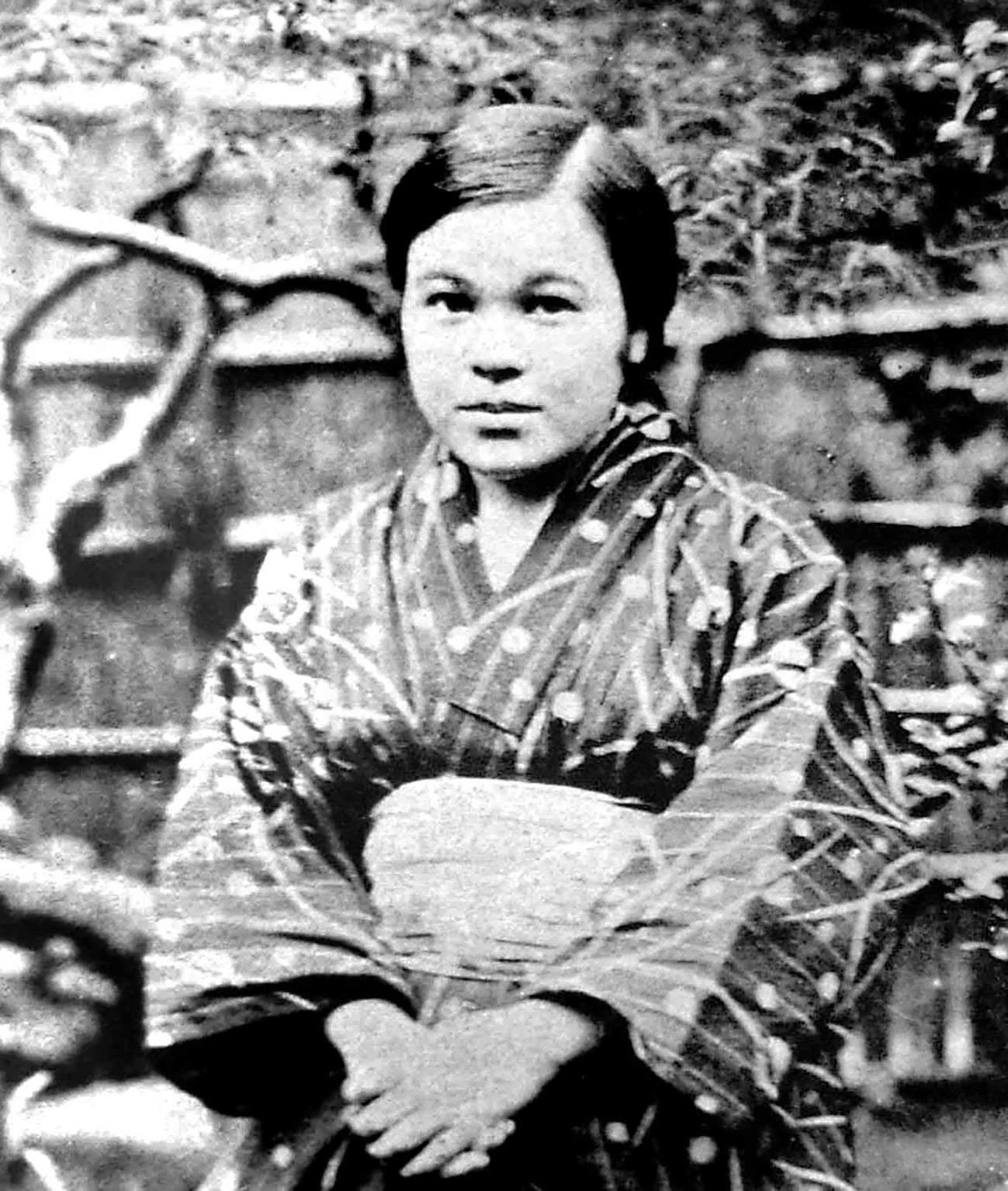
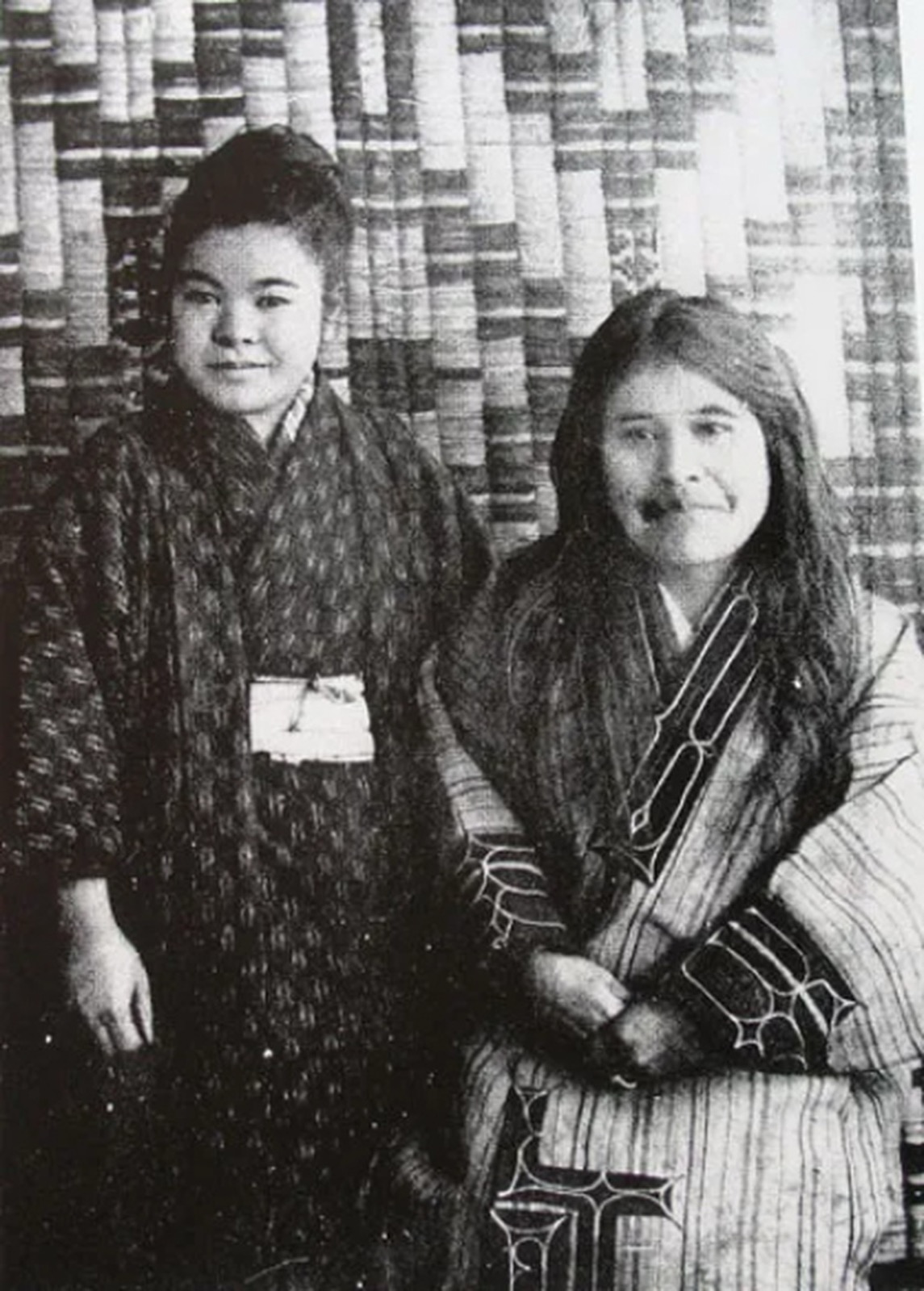
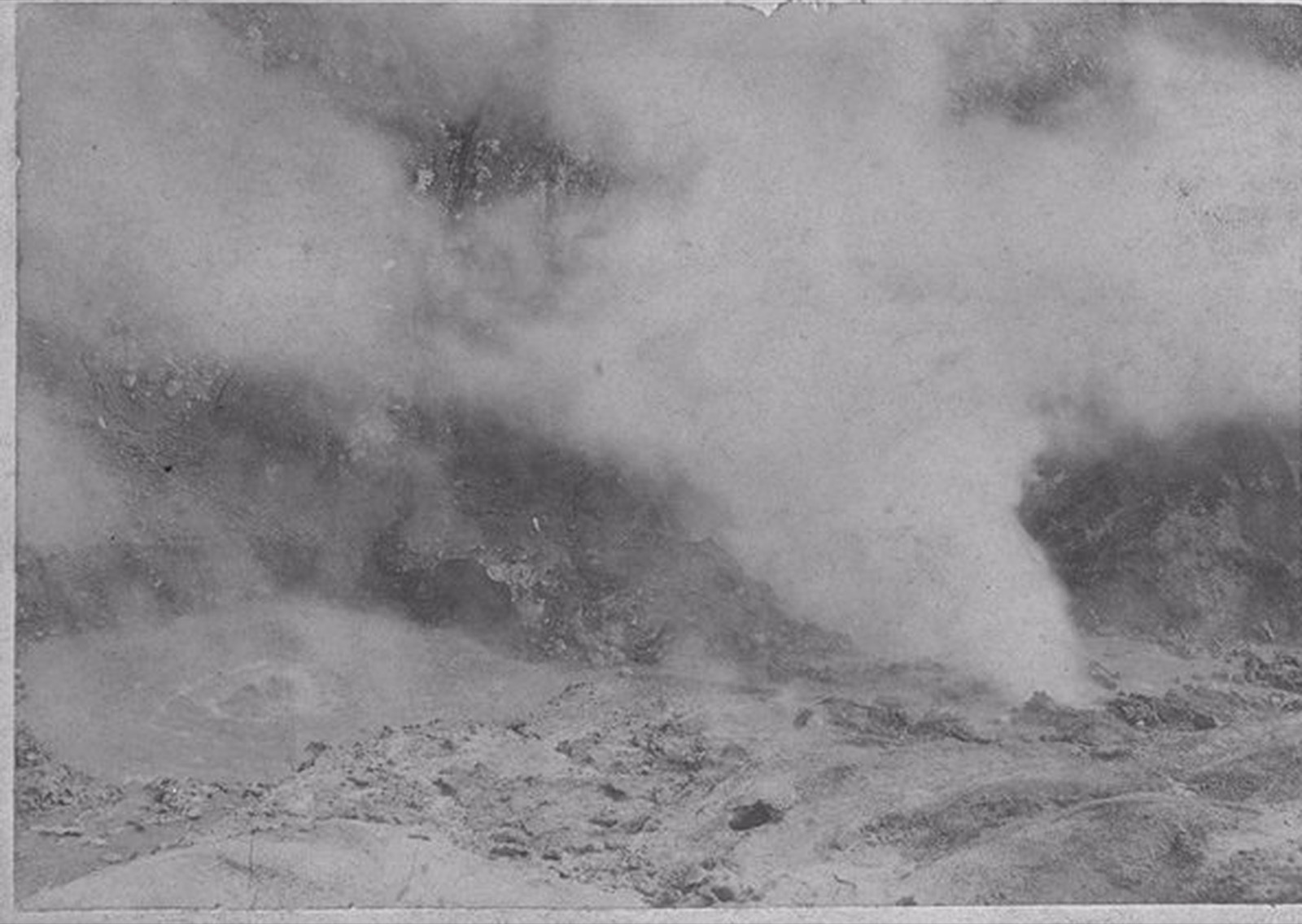
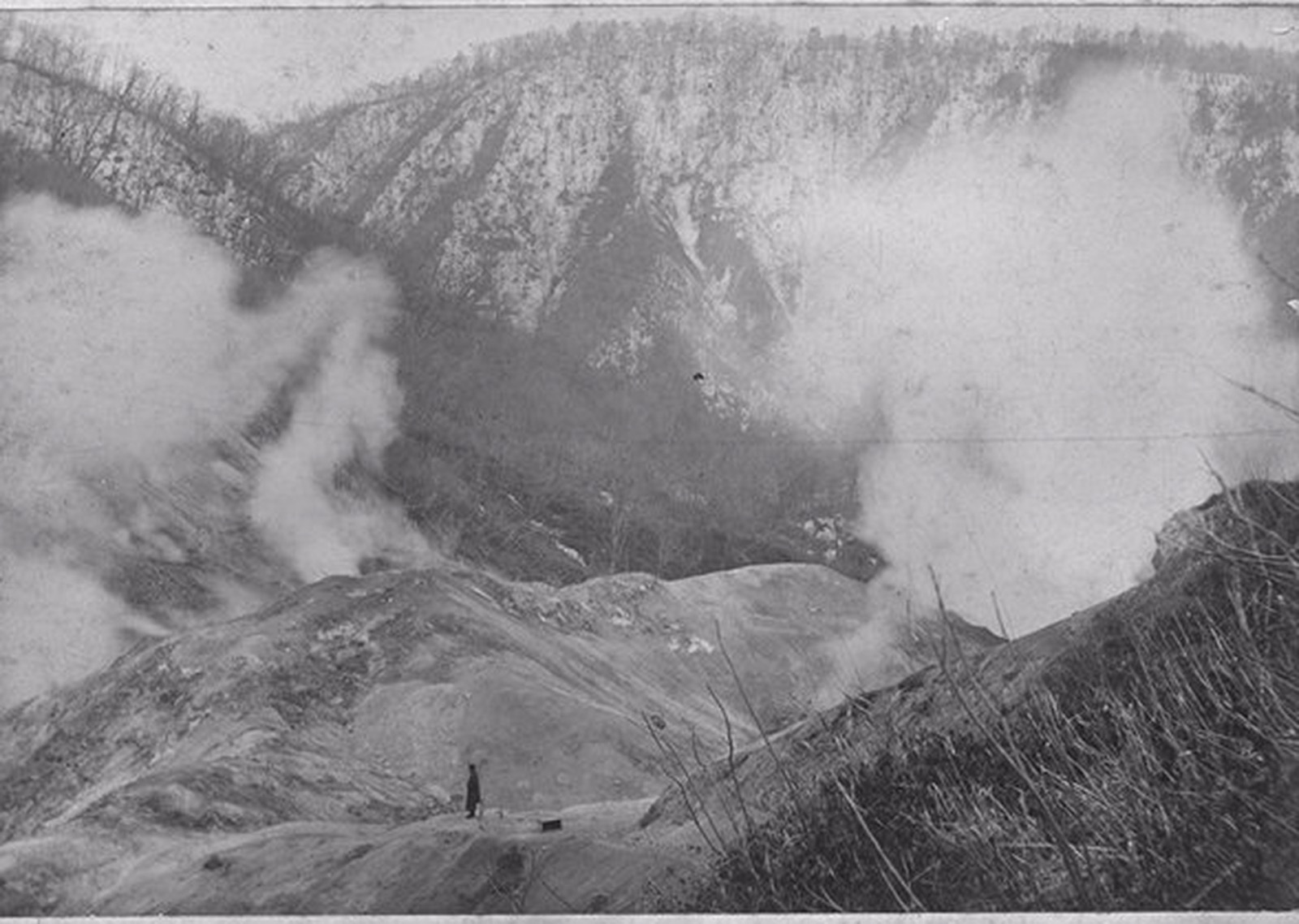
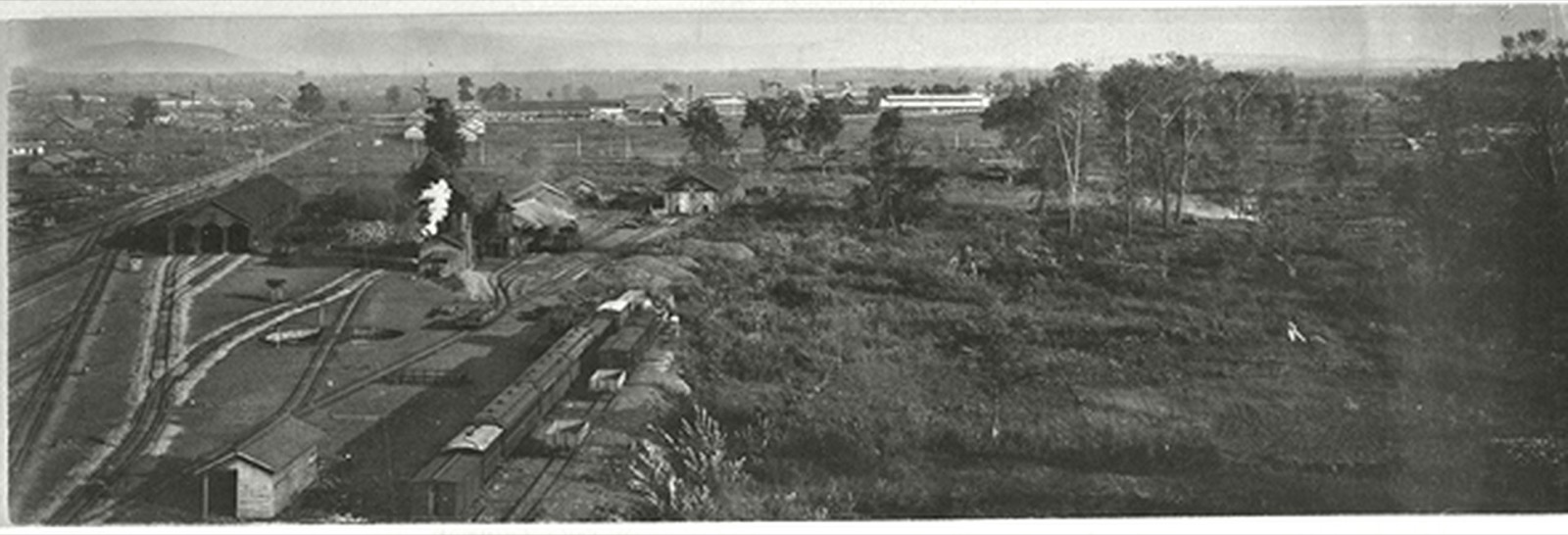
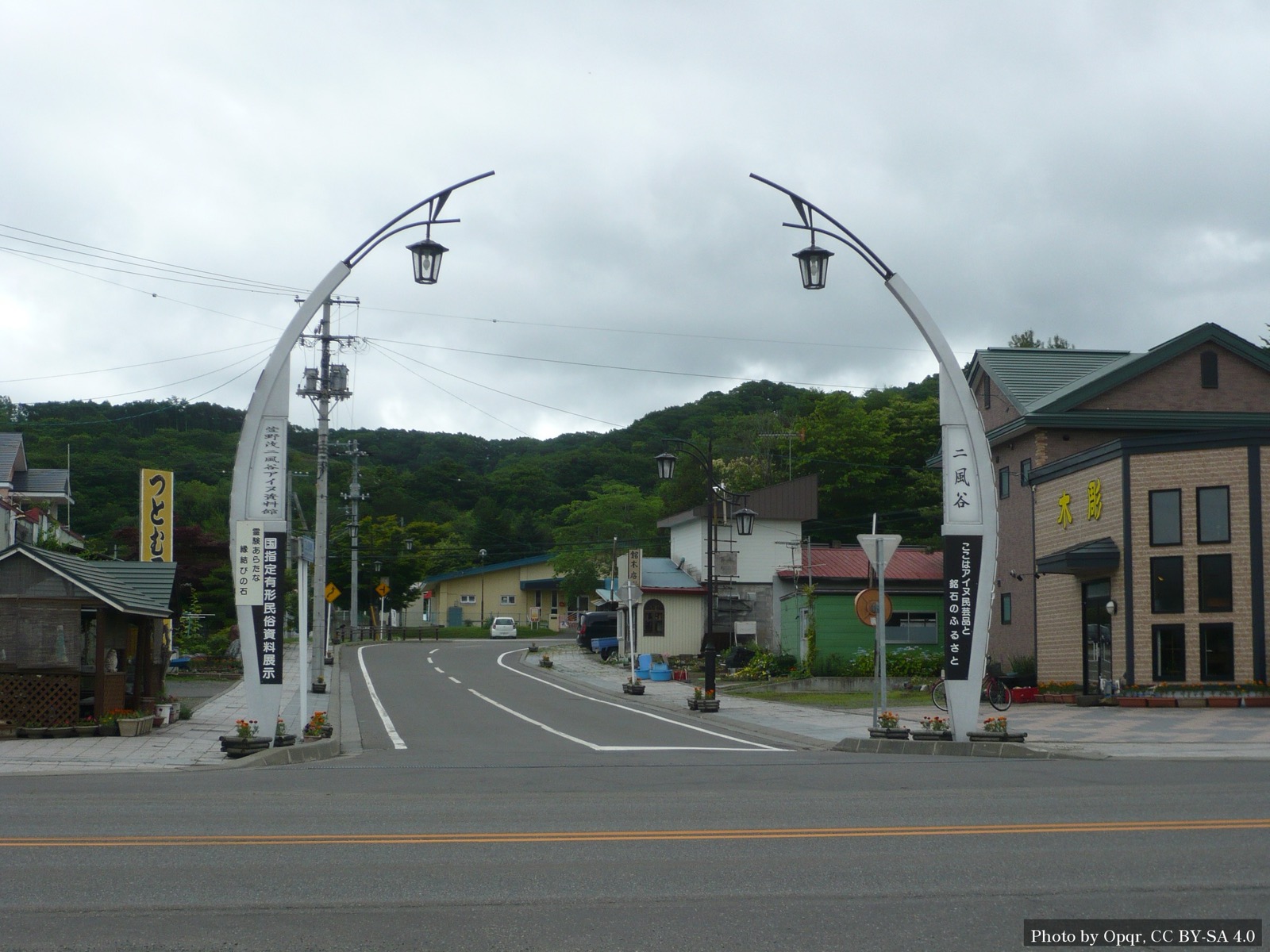
The photographs are from Wikimedia Commons (PD-Japan-oldphoto), the National Diet Library's "Portraits of Modern Japanese Historical Figures," the Northern Studies Database of the Hokkaido University Library, and CC-licensed materials as credited in each case.
⑨ In more detail — differing accounts
The key: 🟢 = confirmed in more than one source / 🟡 = differs between sources, or is disputed / ⚪️ = no backing obtained. Where we do not know, we write that we do not know.
🟢 Confirmedconfirmed in more than one source 🟡 Disputeddiffers between sources, or is disputed ⚪️ Unverifiedno backing obtained
1. There are two accounts of her birthday 🟡 Disputed
The Ginnoshizuku Memorial Hall and the materials of the city of Asahikawa give "8 June." On the other hand there are also descriptions saying that her actual birthday was 15 January, and that 8 June is the date in the family register. The memorial hall celebrates her birthday on 8 June each year.
2. Can it be said that "she died on the day she finished the proofs"? 🟡 Disputed
That she died on 18 September is certain🟢 Confirmed. But the memorial hall's chronology does not go so far as to state "the day she finished the proofs." This way of putting it appears to be something that spread through later biographies.
3. The year the portrait was taken differs between sources 🟡 Disputed
For the often-used portrait of her alone, the Japanese Wikipedia gives "July 1922, the garden of the Kindaichi house in Tokyo," while Wikimedia Commons gives "around 1920." That is why the caption on this site says only "the Taishō era."
4. How the relationship with Kindaichi Kyōsuke is judged 🟡 Disputed
As in ⑥, there is a line that speaks of him as a benefactor, and a line that reopens the question within the frame of linguistics in imperial Japan. The bibliography for both is given in ⑥. This page does not stand on either side.
5. We cannot show an image of the first edition of Ainu shin'yōshū here 🟢 Confirmed
The first edition of 1923 has been digitized by the National Diet Library, but the scope of access is "within the National Diet Library only" (because it is bound together with works by other authors). That is the reason no image of the book is shown on this page.
6. Among the memorial hall's holdings there is a "Christmas card," but ⚪️ Unverified
It appears on the memorial hall's pages, but whether it was Chiri's own is not clear from the context in which it is presented. Until that can be confirmed, this page does not treat it.
⑩ About this page
This film and this page are made on the basis of publicly available primary sources (Ainu shin'yōshū as held in Aozora Bunko, information published by public institutions and by the memorial hall, papers in institutional repositories, and so on) and official statements concerning the Ainu people (the Ainu Policy Promotion Act, statements by the Ainu Association of Hokkaido and by related learned societies, and so on). Views on the language are welcome.
Sources
Aozora Bunko, Ainu shin'yōshū (base text Iwanami Bunko 1978, from the Kyōdo Kenkyūsha edition of 1923; the preface and the thirteen songs, verbatim) / the Chiri Yukie Ginnoshizuku Memorial Hall (chronology, holdings) / the city of Asahikawa / Cultural Heritage Online (the Chiri Yukie notebooks = a Tangible Cultural Property designated by Hokkaido) / the Ainu Policy Promotion Act / the Ainu Association of Hokkaido and the joint statement by the presidents of three learned societies (2025) / 安田敏朗, Kindaichi Kyōsuke to Nihongo no Kindai (Heibonsha Shinsho 2008) and Ikyō no Shi: Chiri Yukie, sono Mawari, ed. 西成彦 and 崎山政毅 (Jinbun Shoin 2007) = bibliographic details only / Kadokawa Sophia Bunko, Chiri Yukie: Nikki・Shokanshū (2025) / photographs = Wikimedia Commons (PD-Japan-oldphoto), the National Diet Library's "Portraits of Modern Japanese Historical Figures," the Northern Studies Database of the Hokkaido University Library, and as shown in each CC BY-SA credit.
This channel does all source selection, fact verification, and interpretation and final judgment of language by human hands. Parts of production (voice synthesis, image stylization, translation assistance) use AI. See our production principles.
Watch the film / to the next piece
We go looking for the next piece of paper. Subscribing, and a thumbs-up on this film, are what make that possible.
Watch & subscribe on YouTube → The notebooks written on through the hunger of an island (Satō Tomigorō, #010; in Japanese) → Follow it on the map → The Kura (index) →
The facts in this article rest on publicly available primary sources and on information published by public institutions (the main sources are also in the video description). The photographs shown are public domain or openly licensed materials (see each credit).
Article text © 2026 紙片の日本史 / Fragments of Japan ・ Corrections of factual error: contact@fragmentsjapan.com