Not Yet Home
——A certain diary is in a box on the far side of the Pacific
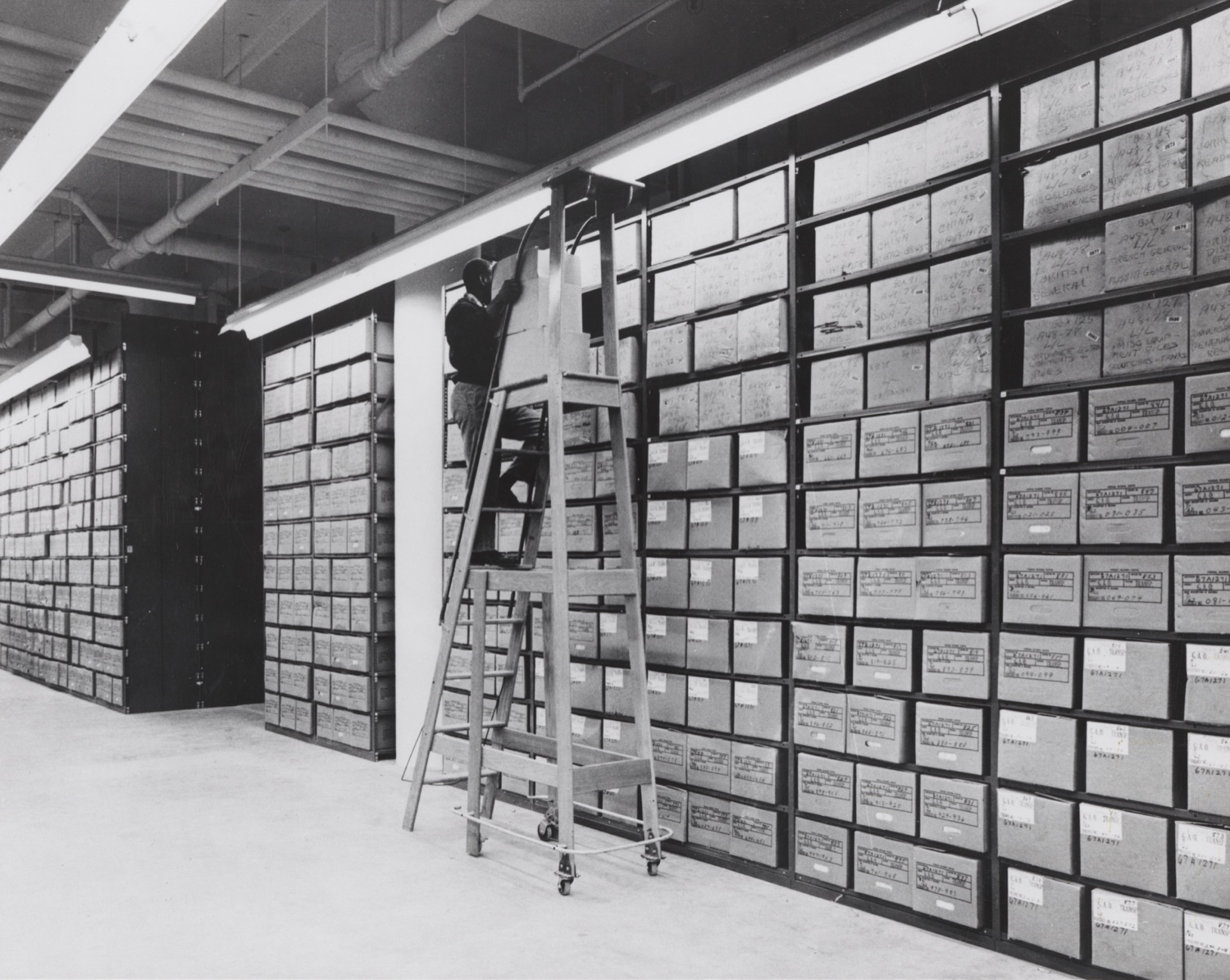
In the suburbs of Washington, in the stacks of the National Archives, forty-four boxes that came from Japan stand in a row. In one of them — box forty-two, file five — sits a single small notebook.
A memo in English is stapled to its cover, and the catalog records “No Name.” But open the notebook, and on the first page, in pencil, this is written:
Maruta.
It is the diary of a young farmer from Hokkaido. This notebook has not been home for more than eighty years.
This page retraces the fuller picture of this diary — more than the film could tell — using only its written words, the road it traveled, and verifiable facts.
① One notebook — most of it is not about battle
First, one important thing.
Read this diary as “a record of war,” and you will likely be let down. Most of its pages are not fighting, but ordinary days on a southern island. He wrestled. He gathered shellfish. He was amazed at how many toads, lizards, and scorpions there were — lines like these run through it.
On 1 March 1941, entering the army at the Asahikawa barracks, Maruta began keeping a diary in the notebook he was issued. Japanese soldiers were trained into the habit of diary-keeping. So what survives is not brave resolve, but one young man's honest daily life.
And into those ordinary days, now and then, a startling line slips.

See, it doesn't much feel like a “war diary,” does it. I thought so too, at first. But — it's because these ordinary days existed, I think.
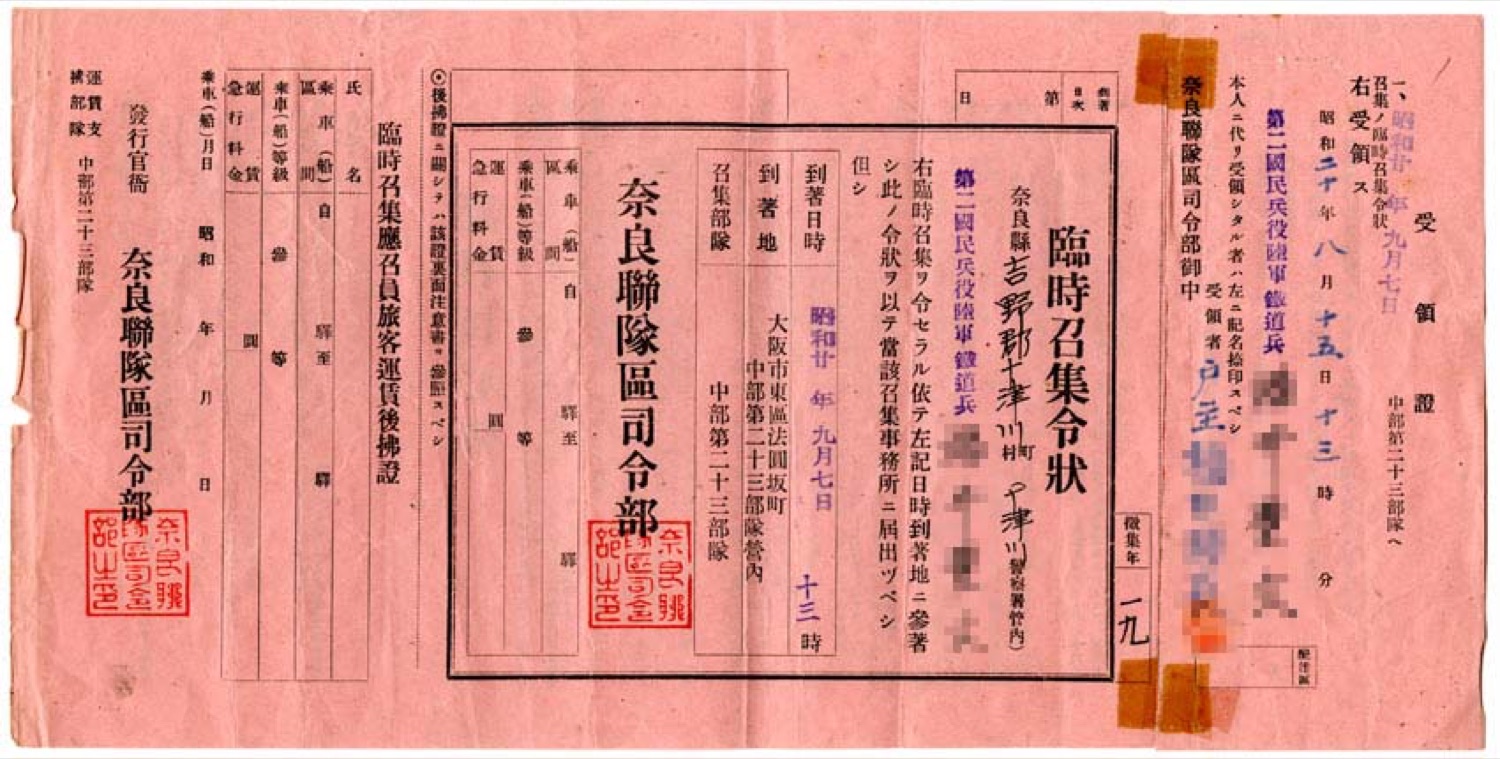
What ōshō (応召) was — one sheet of paper, and a farmer's son becomes a soldier →
② The diary's words — only the verified originals
Below are dated lines taken from the words actually written in the notebook (the original text, whose copyright term has expired). The diary as a whole is mostly a record of daily life; this is one part, glinting here and there.
Today is my first day of military life. From here, at last, I become a full soldier.
Swimming, in the morning. For the first time, I could swim. / Afternoon, a nap.
— A farmer's son from Hokkaido learns to swim for the first time, in a southern sea.
Gazing at the thirteenth-night moon, I pray my far-off father and mother are well and happy.
Complaint is what the weak give voice to.
At home, about now, they must be in the middle of the chrysanthemum harvest.
Night, on the march. One enemy plane flew over.
The diary ends here.
③ Discovery and return — sixty-three years, partway home
Maruta was killed on Guadalcanal on 21 August 1942. The notebook was picked up by an American soldier.
The U.S. army knew that Japanese soldiers' diaries were dense with intelligence. So every piece of written paper on the battlefield was gathered and put in boxes. A memo in English pinned to its cover, a red-pencil check mark added, the notebook crossed the Pacific and came to rest in the archive stacks as one of forty-four boxes. Its name in the catalog: “No Name.”
Sixty-three years later — the summer of 2005. A single phone call reaches the Maruta family in Kamifurano. A newspaper reporter had found the brother's name in an American archive. On 1 August, a copy of the notebook arrives at the home where the younger brother and sisters have gathered. The brother wrote:
It was, without doubt, my brother's hand.
(This line is from the younger brother's memoir. We quote it with attribution and with respect.)
④ A stain, as testimony
A doctor who saw the copy of the notebook told the family: there are stains all over the pages.
What those stains were, we will not write here. Only that the family wished for the original to be returned.
But the notebook is still, even now, in a box in the Washington suburbs. This diary has not yet come home.
⑤ The notebook's journey
Kamifurano → Asahikawa (enlistment) → Ujina (embarkation) → Saipan → Guam (Omiyajima) → Truk → Taivu Point, Guadalcanal → College Park, Washington (present location)
This map is missing one line. The road home.
There is “another sheet of paper” that carried this notebook to the battlefield. If you like, look into the next room too (the regiment's page).
⑥ Background: the unit he was sent to — the Ichiki Detachment
Maruta belonged to what was called the “Ichiki Detachment,” built around the 28th Infantry Regiment raised in Asahikawa. This unit was originally meant to land on Midway Island, but lost its destination after the defeat at sea and was held on Guam.
Then in August, when the Japanese army — having lost the Guadalcanal airfield to the Americans — ordered “Take it back,” this unit, the nearest at hand, was chosen. Right after those days of learning to swim on Guam.
What was the 28th Infantry Regiment / Ichiki Detachment — read the “order” that reached it →
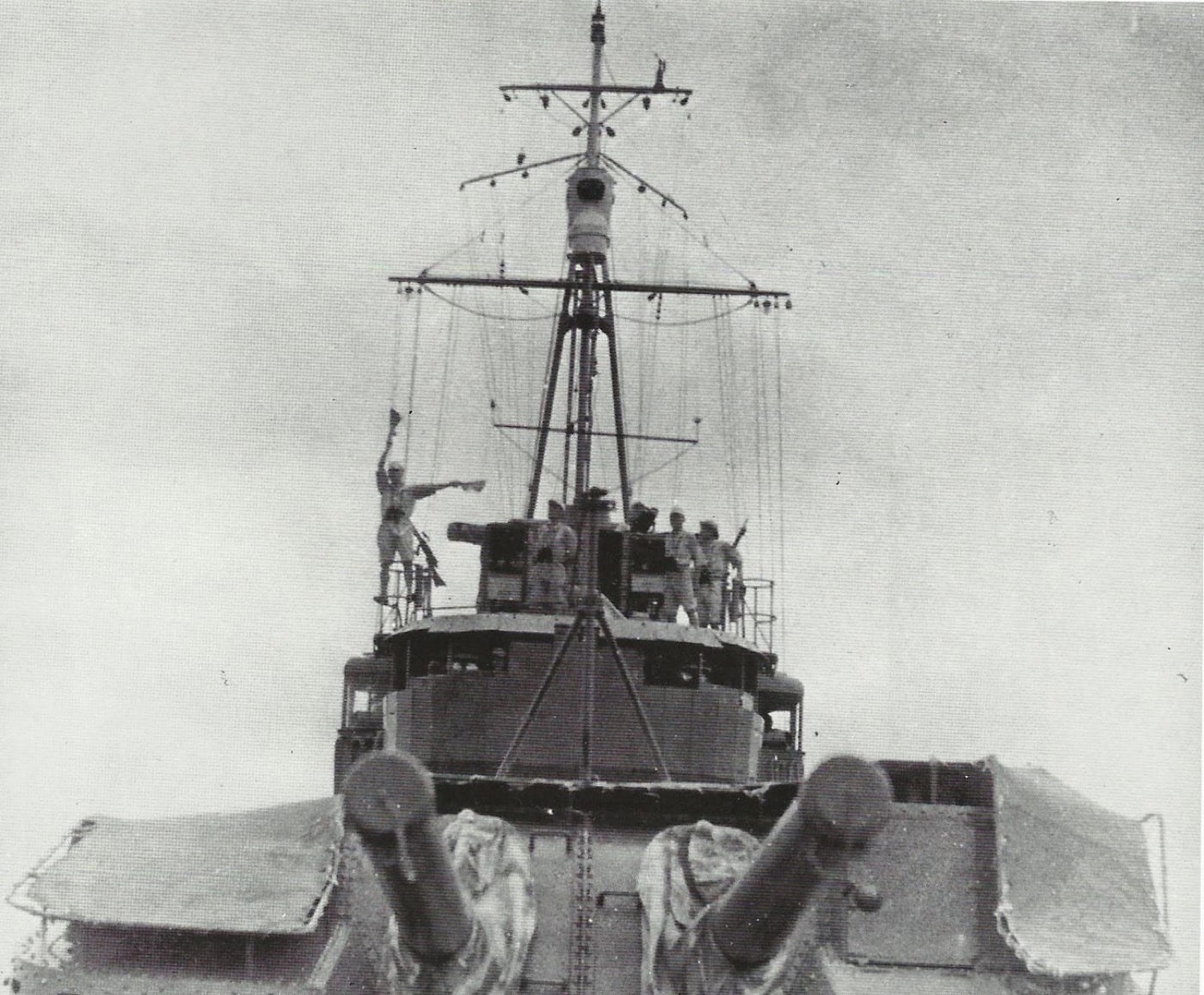
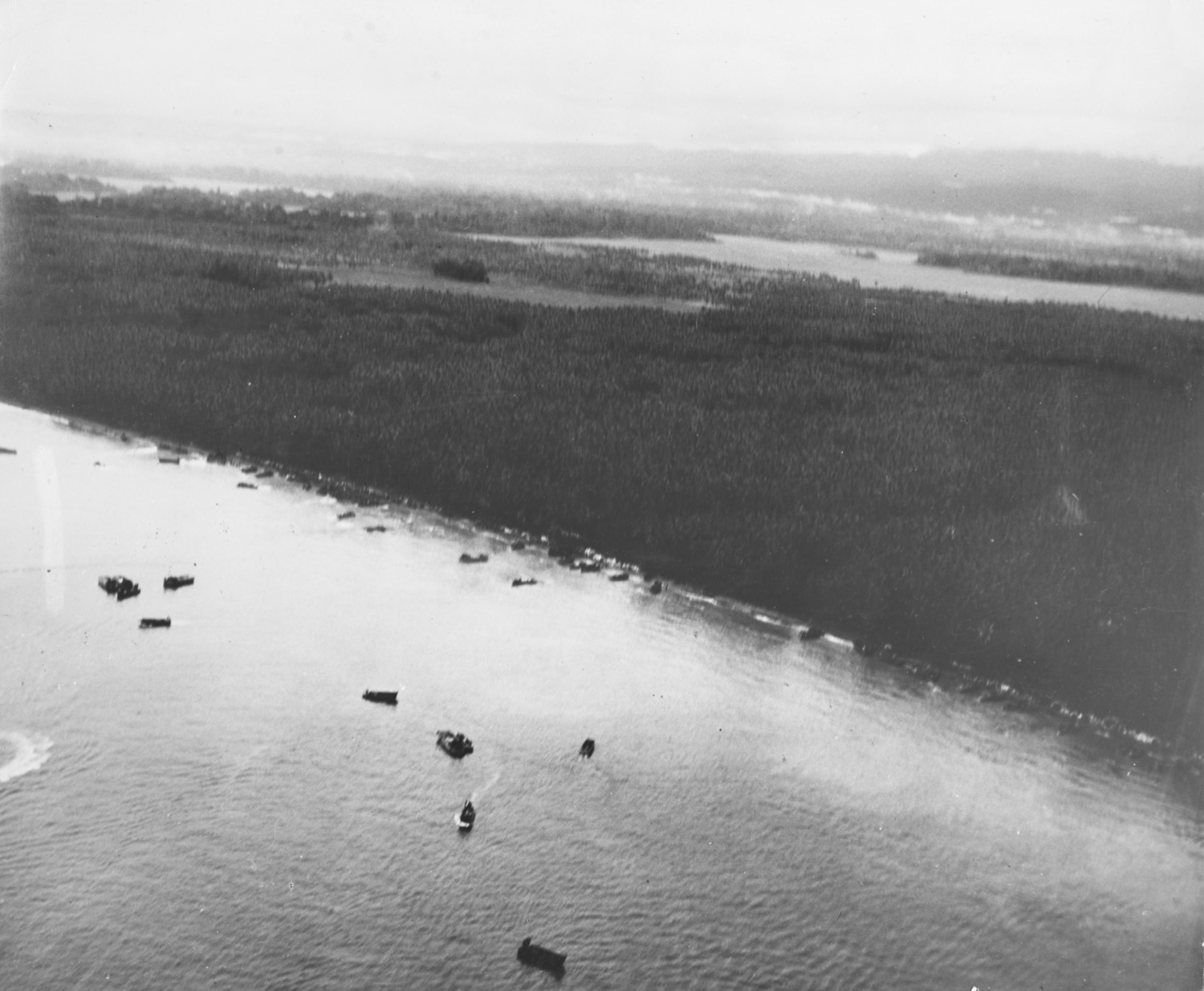
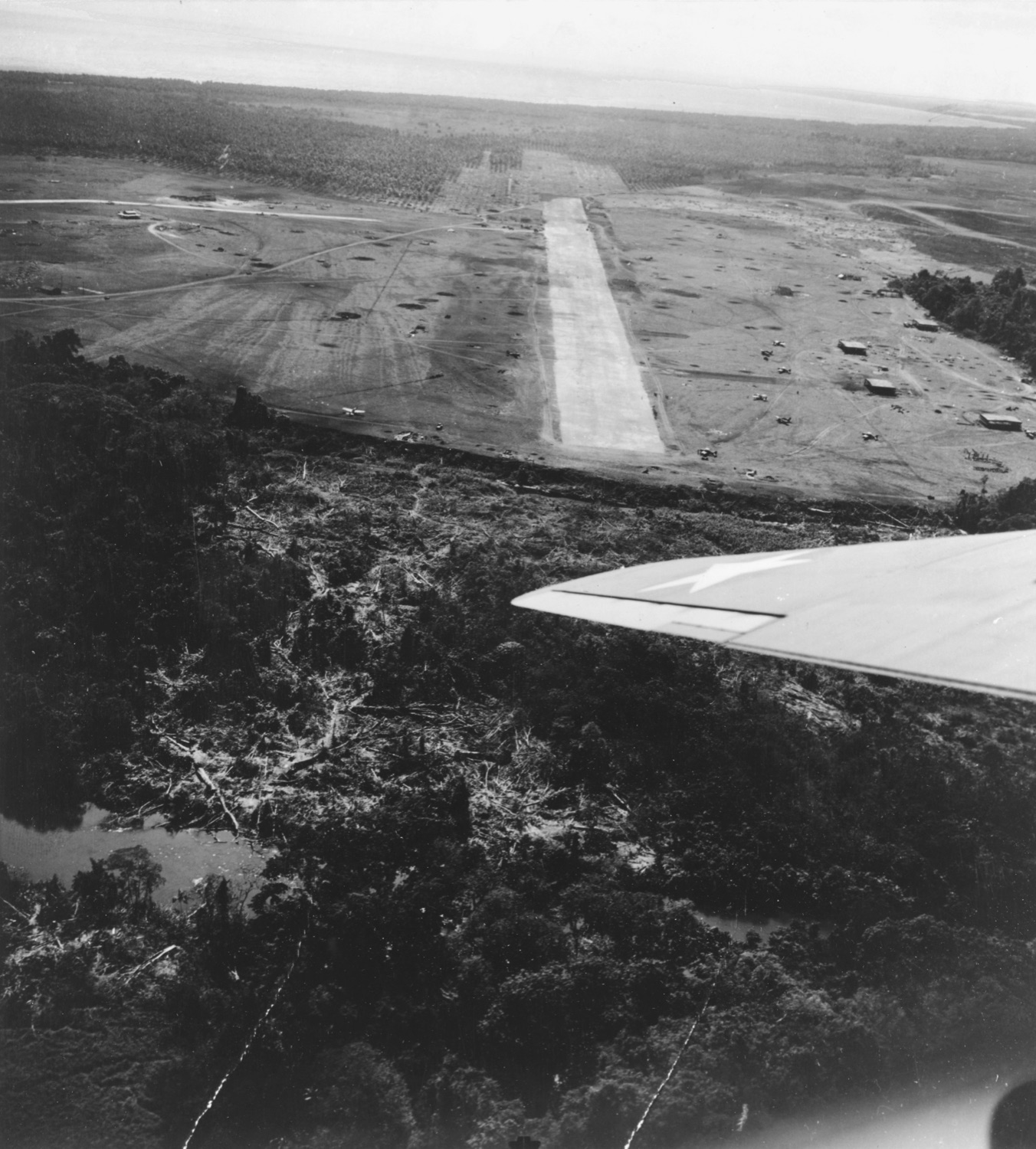
⑦ In photographs
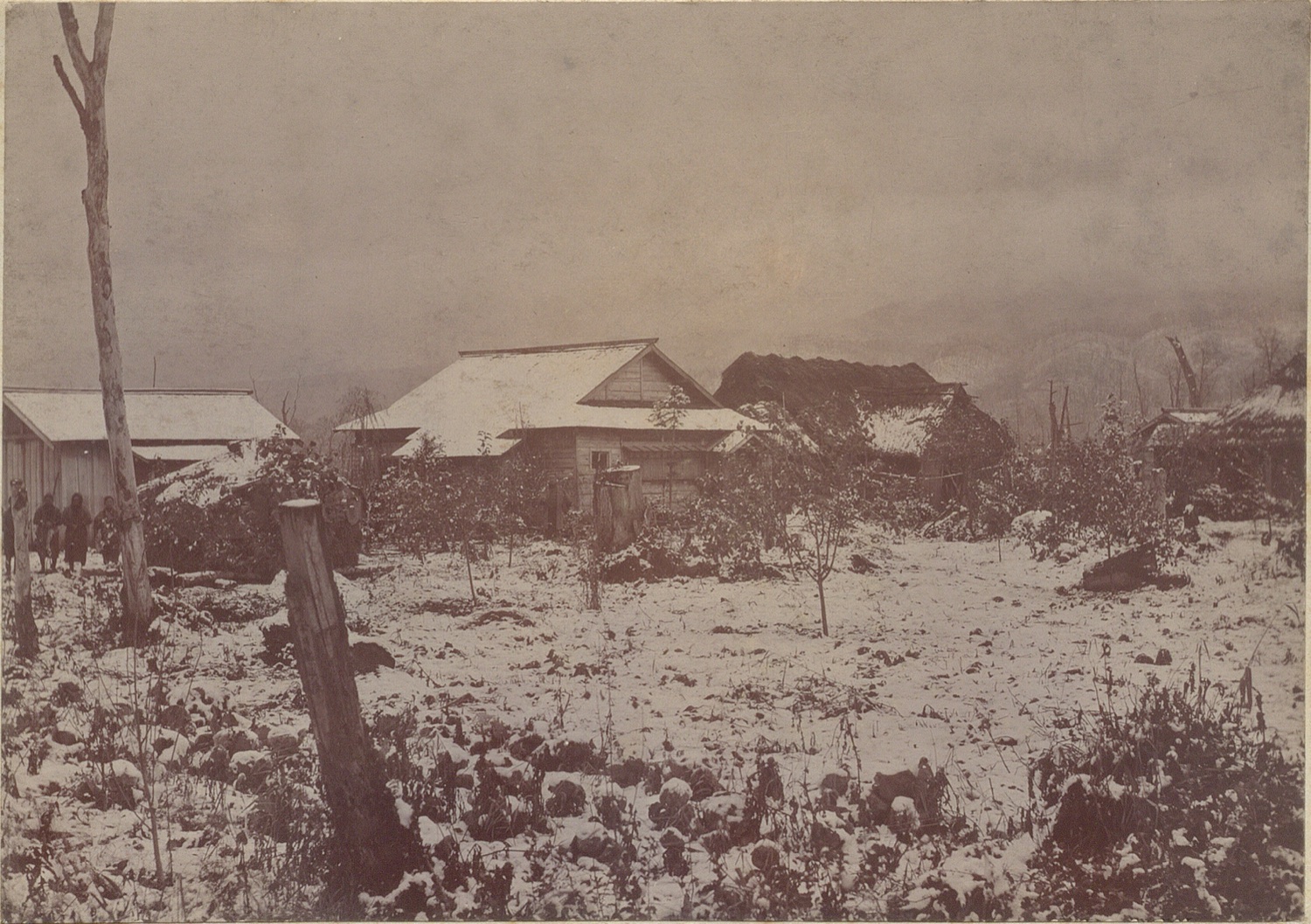
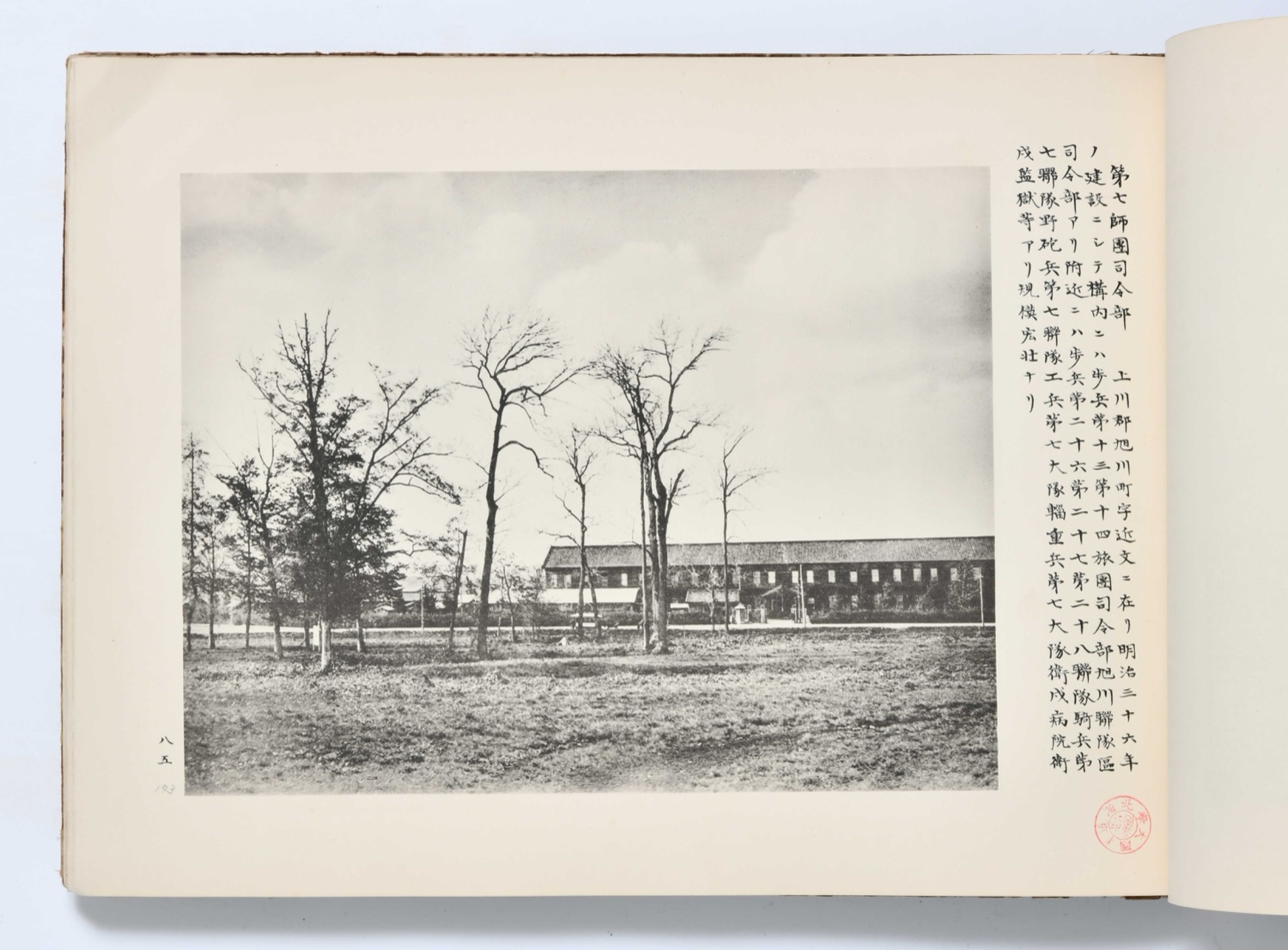
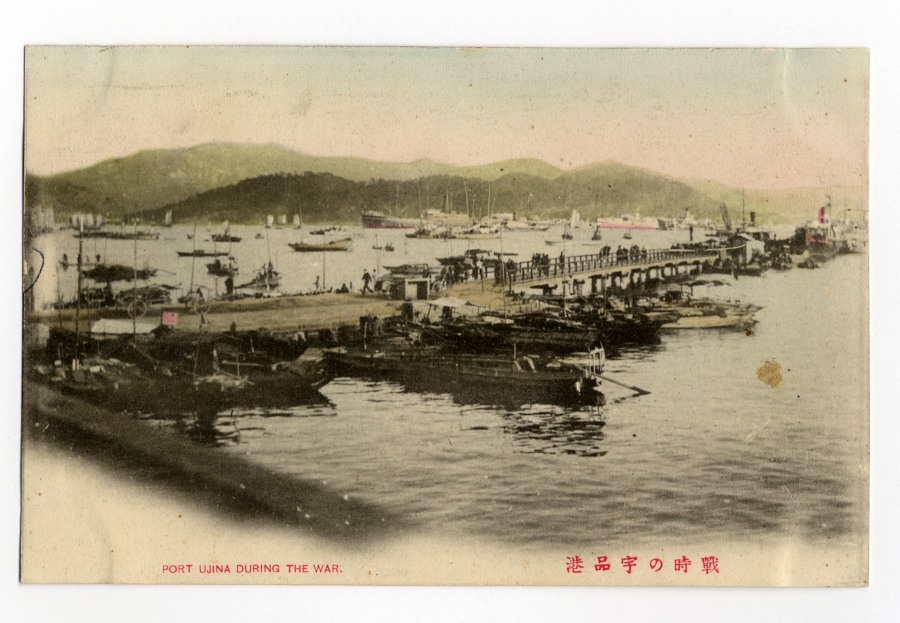
All are public-domain materials. None show Maruta himself or his family.
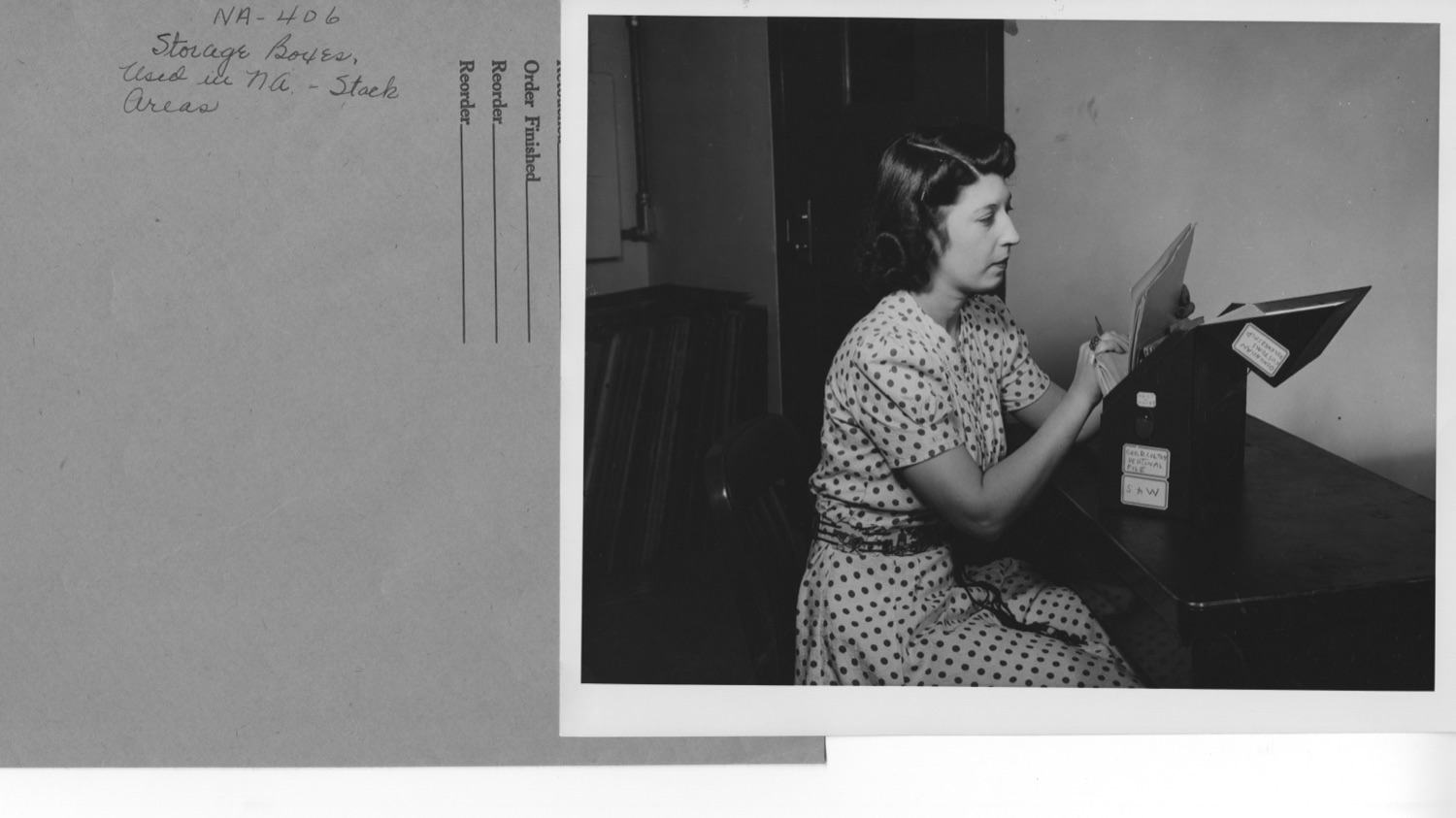
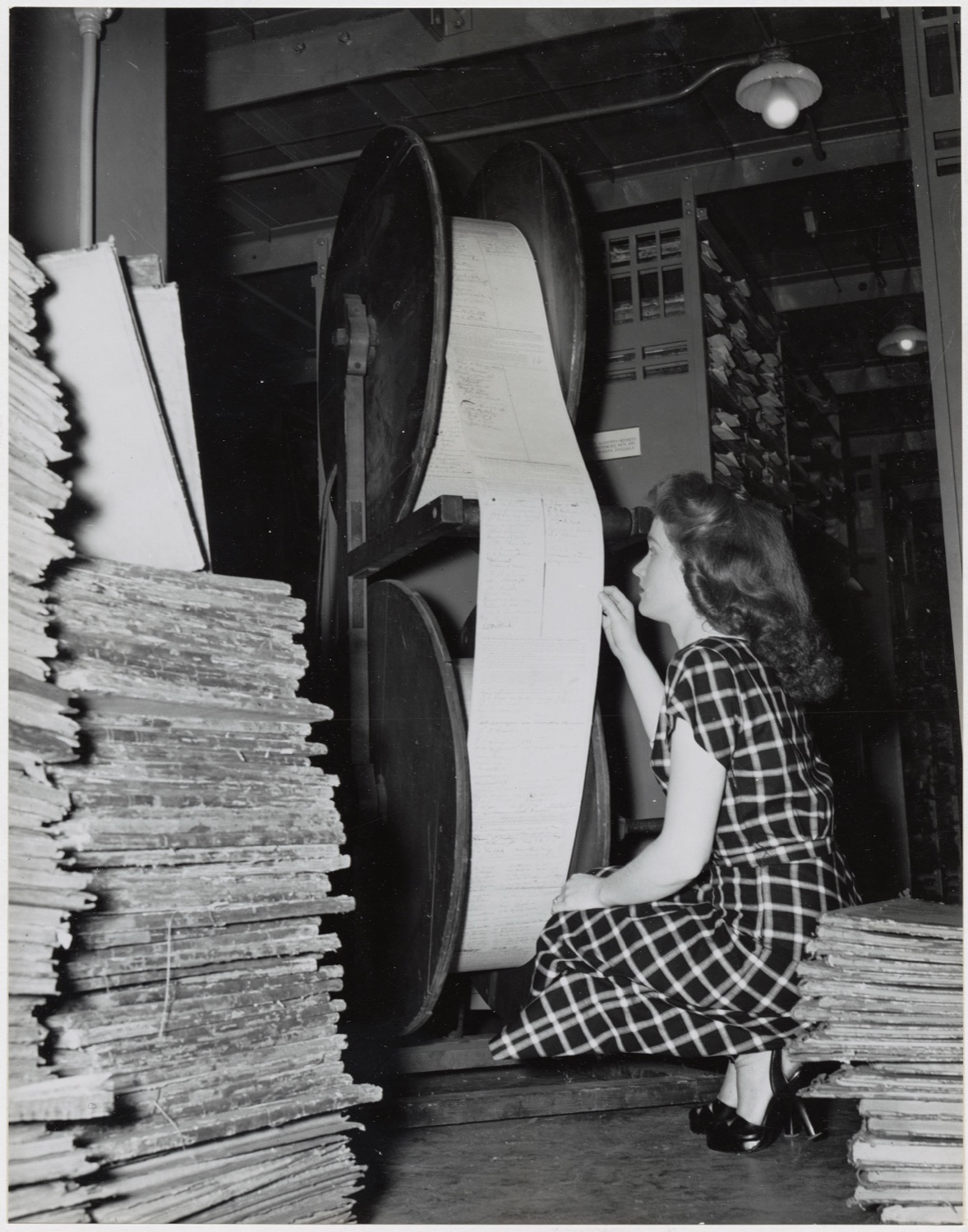
⑧ In more detail — differing accounts, and what could not be verified
There is not much in history one can call absolutely certain. Change who is looking, and the same event may be told in exactly opposite ways. So this page does not only choose “what is certain”: where things are uncertain, we say so, and include them anyway.
🟢 Confirmedbacked by primary/secondary sources 🟡 Disputedsources or scholars differ ⚪️ Unverifiedplausible, but without evidence
1. No one knows how to read his name ⚪️ Unverified
Inside the notebook's cover, in pencil, is “Maruta Toshimichi (丸田年道).” The surname “Maruta” is certain. The problem is the given name: there is not a single piece of evidence for how “年道” is read.
Neither the Kamifurano town record, nor the death notice, nor the 2005 Yomiuri Shimbun report carries a reading. The American catalog, unable to read the name at all, wrote “No Name.” “Toshimichi” looks like the natural reading, but that is only our modern guess; it could be “Toshitsune,” or another reading. What he was actually called, no one can now confirm.
So this channel calls him by his surname, “Maruta,” alone. To decide his name on our own would be the opposite of one of the few courtesies still possible toward this man.
Source: Kamifurano town, “Exploring Our Homeland” No. 23 (memoir of the younger brother, Maruta Yoshimitsu, 2005) / the death notice / Yomiuri Shimbun morning edition, 10 August 2005. None carries a reading — the very absence of furigana is the basis.
2. In truth, it was a unit meant for Midway 🟢 Confirmed
The “Ichiki Detachment” Maruta was in originally had nothing to do with Guadalcanal. It was a unit built to occupy Midway Island.
In May 1942 the detachment left Ujina, Hiroshima, and even trained for the Midway landing on Saipan. But on 5 June, the navy suffered a crushing defeat at Midway, losing four carriers. The island it was to land on was no longer within reach. The unit that had lost its destination was made to wait on Guam for more than two months; it was said to be scheduled to return home, partly to conceal the operation's failure.
Maruta's entries about “swimming for the first time” and “gazing at the thirteenth-night moon” are from these limbo days on Guam. Then in August, when the Japanese lost the Guadalcanal airfield, this unit — the one that happened to be nearest — was thrown into retaking it. To an island right beside the sea where he had learned to swim.
Had the navy won at sea. Had the return order come a day earlier. Maruta's notebook might have closed in an entirely different place.
Source: Kamifurano No. 23 (the brother's memoir also states the Midway-to-Guadalcanal recall) / Institute for Defense Studies, War History Series / the service record of Ichiki Kiyonao (28th class of the Military Academy; May 1942, detachment commander of the Midway occupation force). The Japanese official war history (pub. 1971) and the family memoir (2005) agree.
3. The commander's reputation flips 180 degrees after the war 🟡 Disputed
The advance force was led by Colonel Ichiki Kiyonao (former surname Katō; from a family of court physicians of the Iida domain in Nagano). He died on this island on the same 21 August as Maruta, and was promoted to major general on that same date. His reputation is split in two within military history.
The old view = “reckless”: he had his men charge a machine-gun position head-on in a night attack, and destroyed himself. The long-told postwar image of “the commander wiped out in a banzai charge.”
The recent reassessment = “an intelligence failure”: the fault lay with the Imperial GHQ and higher command that decided to commit them in the first place. On 13 August, the Japanese in the southeast theater judged that “the U.S. force on Guadalcanal is not a strong one” and ordered a rapid recapture. In fact the advance force was sent — a mere 916 men — against U.S. Marines defending in strength of some ten thousand. Committing a small force piecemeal, with the enemy underestimated — the blame lies less with the colonel on the ground than with those who wrote that paper (the order). That is the rereading.
The one who put this reassessment squarely forward is Sekiguchi Takashi, Who Destroyed the Ichiki Detachment? — The Guadalcanal Campaign and Imperial GHQ's Wanderings (Fuyō Shobō, 2018; later Kōjinsha NF Bunko, 2025). The title itself is a question. Incidentally, the U.S. Marines recorded this unit as “elite troops” in their observations. The image of a “reckless rabble” did not, at least, appear to the enemy's eyes.
Further, how Colonel Ichiki himself died is not settled either. Even the Japanese official war history writes “the detailed circumstances of his death are unknown.” He is said to have taken his own life, or to have fallen while directing the fight, but almost no one who witnessed it survived.
Maruta's line “Complaint is what the weak give voice to” was written under this commander. The reputation of those who gave the orders may waver, but the fact that a twenty-four-year-old was sent there does not.
Source: the service record and death of Ichiki Kiyonao = descriptions based on the Japanese official war history / U.S. Marine observation / “circumstances of death unknown” = confirmed by directly obtaining primary texts, 2026. Study: Sekiguchi Takashi (a military historian trained at the National Defense Academy). Order original: 17th Army-related order = JACAR Ref C25080307200 (Institute for Defense Studies, August 1942). The debate continues to this day — we do not assert a conclusion.→ To the 28th Infantry Regiment / Ichiki Detachment page
4. Between the night the diary ended and the hour of death 🟢 Confirmed
The notebook's last entry is 20 August.
Night, on the march. One enemy plane flew over.
The hour of death given in the notice is 21 August, 2:50 a.m.
Killed in action in fighting near the lower Nakagawa river district of Guadalcanal, from a penetrating gunshot wound to the head.
These two are not a contradiction. They are only a few hours apart. On the night of the 20th, marching, he wrote one line in the notebook, then went straight into the night attack, and fell soon after the date changed — so it reads. The Ichiki Detachment launched its night attack on the Marine positions just after 10:30 p.m. on the 20th; the fighting continued into the small hours of the 21st.
That is, Maruta went into that battle just after writing the last line of his own diary. The notebook stops at the 20th because there was no longer time to write the 21st.
Source: the diary's last entry (town transcription No. 23) / the verbatim death notice (quoted in the same No. 23). The timing of the fighting agrees with the war-history account in the previous item.
5. “Where he fell” and “where he wrote” are different 🟢 Confirmed
The death notice records the place of death as “near the lower Nakagawa river district of Guadalcanal.” “Nakagawa” is the name the Japanese army gave to the area of the Ilu River (the American Tenaru).
The last line of the notebook, meanwhile, was written on the march from the landing point at Taivu Point toward the airfield. From Taivu Point to the Ilu River mouth, where the battle was, is a road pushed west over two days and nights.
So what we can trace on the map is where he wrote (the line of landing and march), not the place he fell. The notebook closes a few kilometers short of the end. The map's endpoint is the diary's endpoint, not the endpoint of a life. We want to keep that clearly separate.
Source: the place name in the death notice (No. 23) / the landing point of Taivu Point and the line of advance (war-history account, matching the U.S. Marine observation).
6. The enemy translated this notebook — and in that workplace was a young Keene 🟢 Confirmed
That Maruta's notebook can still be read is due to an ironic reason. Because the U.S. army did not throw away the paper of Japanese soldiers picked up on the battlefield. Diaries and letters were clues to operations. So all written paper was gathered, numbered, translated into English, and put in boxes. Maruta's notebook, too, became one volume of the Marines' “captured Japanese documents.”
Within this enterprise of “the enemy translating Japanese soldiers' diaries in vast quantity” was Donald Keene, who would later become a leading figure in the study of Japanese literature. As a young naval language officer, he was assigned to translate captured diaries. Keene later wrote:
I hid such diaries, though it was forbidden, intending to return them to the diarists' families, but my desk was searched and the diaries were confiscated. This was a great disappointment.
(from “Chronicles of My Life,” Columbia University Press, 2008, pp. 36–37)
On the enemy's side too, there was a person who read a Japanese soldier's diary, was moved, and wished to return it to the family. That wish was blocked by regulations.
One honest line to draw. There is no evidence that Keene translated Maruta's notebook itself (given the timing and his posting, it is in fact unlikely). What we set side by side here is not “he handled the same volume,” but Keene's words as one person inside “the same enterprise of enemy translation that put Maruta's notebook in a box.” Whose diary was read, and by what kind of hands — that is what we mean to convey.
Source: Keene's autobiography “Chronicles of My Life” (2008) pp. 36–37 (original obtained and confirmed verbatim) / the rule “captured documents sent to Washington” etc. from the preface to “Travelers of a Hundred Ages” (1989). The capture route of Maruta's notebook = town transcription No. 23 (Marine file, BOX 42-5). We do not assert a direct connection between Keene and Maruta.
7. The greatest discovery is that no war is written here 🟢 Confirmed
Last, this is really the most interesting. Open this notebook as a “war record,” and you'll be let down. Most of its pages are not fighting, but ordinary days on a southern island.
- He wrestled.
- He gathered shellfish.
- He was amazed at all the toads, lizards, scorpions.
- In swimming practice, he could swim for the first time in his life (22 June).
- Gazing at the thirteenth-night moon, he prayed for his parents' health at home (28 June).
- On a day of squalls, he thought of the northern fields: “At home, about now, they must be in the middle of the chrysanthemum harvest” (8 July).
A farmer's second son from Kamifurano, Hokkaido, made a soldier by conscription, learns to swim for the first time in a southern sea, sees the moon and thinks of his parents. Japanese soldiers were trained into the habit of diary-keeping. So what remained is not brave resolve, but one young man's honest life. The line “Complaint is what the weak give voice to,” too, sits quietly within this run of daily life.
It is a war diary, and yet most of it is not war. That, I think, is the greatest thing this one notebook tells us.
A war diary, and what's written is sumo, shellfish, and the moon. …That this “ordinary” survived is unbearably precious to me.
Source: the diary text (the original, copyright term expired, town transcription No. 23). That the diary is filled with records of daily life is confirmed across the whole transcription.
Sources (whole page)
- Kamifurano town, “Exploring Our Homeland” No. 23, “Sixty Years After the War: My Brother's Diary, Found in America” (Maruta Yoshimitsu's memoir, diary transcription, the story of the return, the verbatim death notice)
- The service record, reputation, and death of “Ichiki Kiyonao” / “Ichiki Detachment” = descriptions based on the Japanese official war history, confirmed against primary texts / Sekiguchi Takashi, Who Destroyed the Ichiki Detachment? (Fuyō Shobō 2018, Kōjinsha NF Bunko 2025)
- 17th Army-related order (August 1942) = JACAR Ref C25080307200 (Institute for Defense Studies)
- The original diary = U.S. Marine captured document (NARA, RG127 / BOX 42-5, in-house access only)
- Donald Keene, “Chronicles of My Life” (2008) pp. 36–37 / “Travelers of a Hundred Ages” (1989), preface
This channel does all source selection, fact verification, and interpretation and final judgment of language by human hands. Parts of production (voice synthesis, image stylization, translation assistance) use AI. See our production principles.
⑨ Watch / to the next piece
We go looking for the next piece of paper. Subscribing, and a thumbs-up, are what make that possible.
Watch & subscribe on YouTube → Follow on the map →
The facts in this article rest on primary sources (the main sources are in the video description). The quoted diary and the photographs are all public domain (materials whose copyright term has expired).
Article text © 2026 Fragments of Japan ・ Corrections of factual error: contact@fragmentsjapan.com