Because they were thrown away, they survived
——The fragments of nameless people, out of a rubbish pit thirteen hundred years old
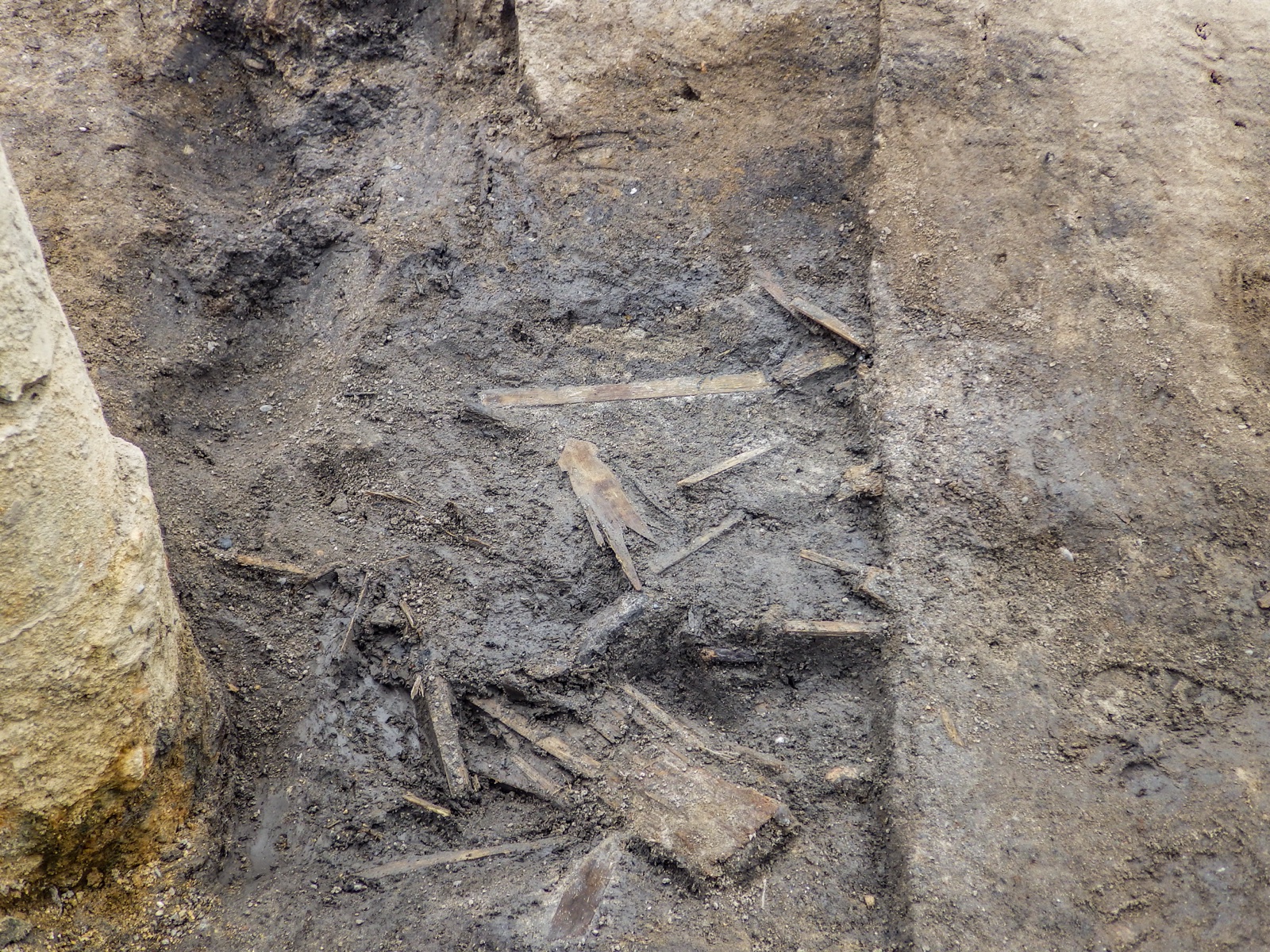
Out of the ground in Nara come strips of wood. Out of the pits where rubbish was thrown. Out of the bottoms of ditches. Tens of thousands of them, from the Heijō palace site alone.
In an age when paper was expensive, people wrote on strips of wood — mokkan. A mistake was scraped off with a small knife and written over; once the business was done, the strip was thrown away. Because it was thrown away, it lasted thirteen hundred years in the earth. Not a government ledger, not a nobleman's diary. Only the writing that no one thought worth keeping was kept.
This page is a place to retrace, with verifiable facts, what the film could not tell about these tablets.
① A signboard a metre tall — a horse is missing
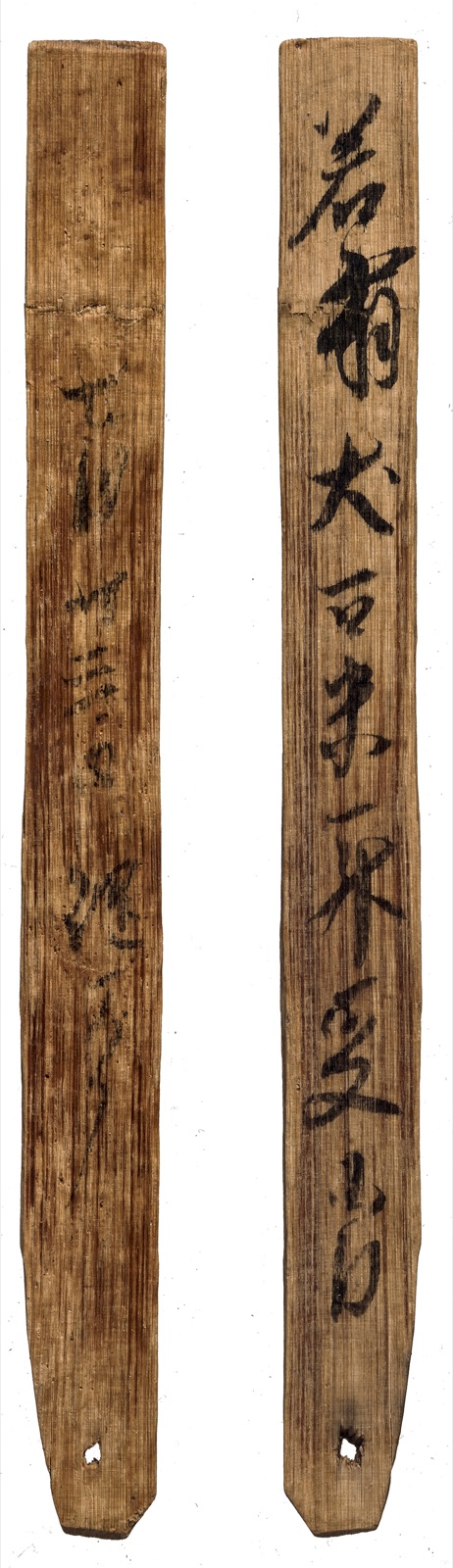
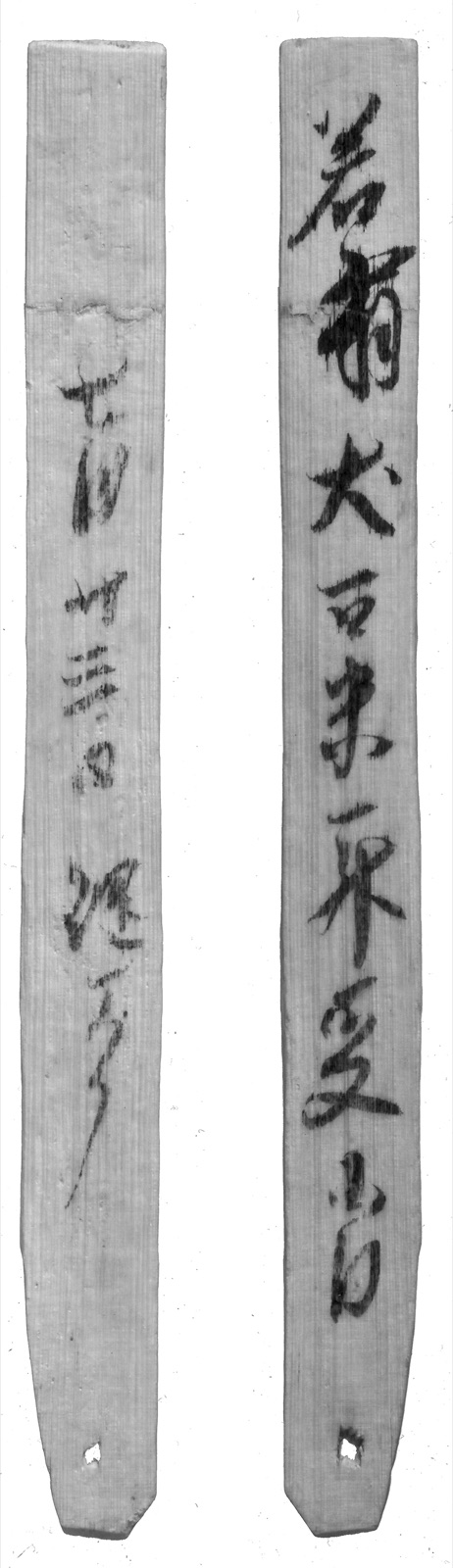
Begin with the one strip that carried the film. A notice for a lost horse. The transcription on its database record (the original text) reads:
告知 往還諸人 走失黒鹿毛牡馬一匹/在験片目白/額少白
件馬以今月六日申時山階寺南花薗池辺而走失也 九月八日
若有見捉者可告来山階寺中室自南端第三房之
To all who pass along this road. One black-bay stallion has gone missing. His marks: one eye white; a little white on the forehead as well. On the sixth of this month, in the late afternoon, near the pond of the flower garden south of Yamashina-dera. Anyone who sees and catches him, please come and tell the middle hall of Yamashina-dera, the third room from the southern end——
The structure is exactly that of a modern lost-dog poster. Who it addresses, the markings, when and where it went missing, and where to make contact.
And then the physical object speaks. This strip is 993 millimetres tall. A board of nearly a metre. Not a slip to be read in the hand, but a board stood up at the roadside — an actual "posted notice" from thirteen hundred years ago, excavated from the site of Sakyō Ichijō Sanbō (the first row, third ward of the Left Capital) of Heijō-kyō, at Hokkeji-higashimachi (法華寺東町) in Nara.
Whether the horse was found is not recorded.
② A note of three characters, and practice at the times table
From the same Nara earth come strips like these.
病不参
Three characters only. Ill; not reporting for duty. A civil servant's sick note from thirteen hundred years ago, surviving exactly as it was written (excavated from the southeast corner of the Heijō palace grounds; a shaving, kezurikuzu).
九廿七○二九十八○一九如九
五八卌○四八卅二○三八廿
It is the kuku (九九), the multiplication table. 2×9=18, 1×9=9, 5×8=40——. A thin, slender fragment, out of the government-office area (the eastern government-office district of the Heijō palace site). Was it a memorandum for use at work, or was it someone's practice? That is not known (→ ⑧-3).

A note of three characters, and thirteen hundred years later we are reading it. …Even feeling that bad, he wrote it properly on a strip and sent it in. That's admirable, I think.
What are mokkan — write, shave it off, write again, throw it away →
③ The rubbish heap of Prince Nagaya's mansion — 26 August 1988
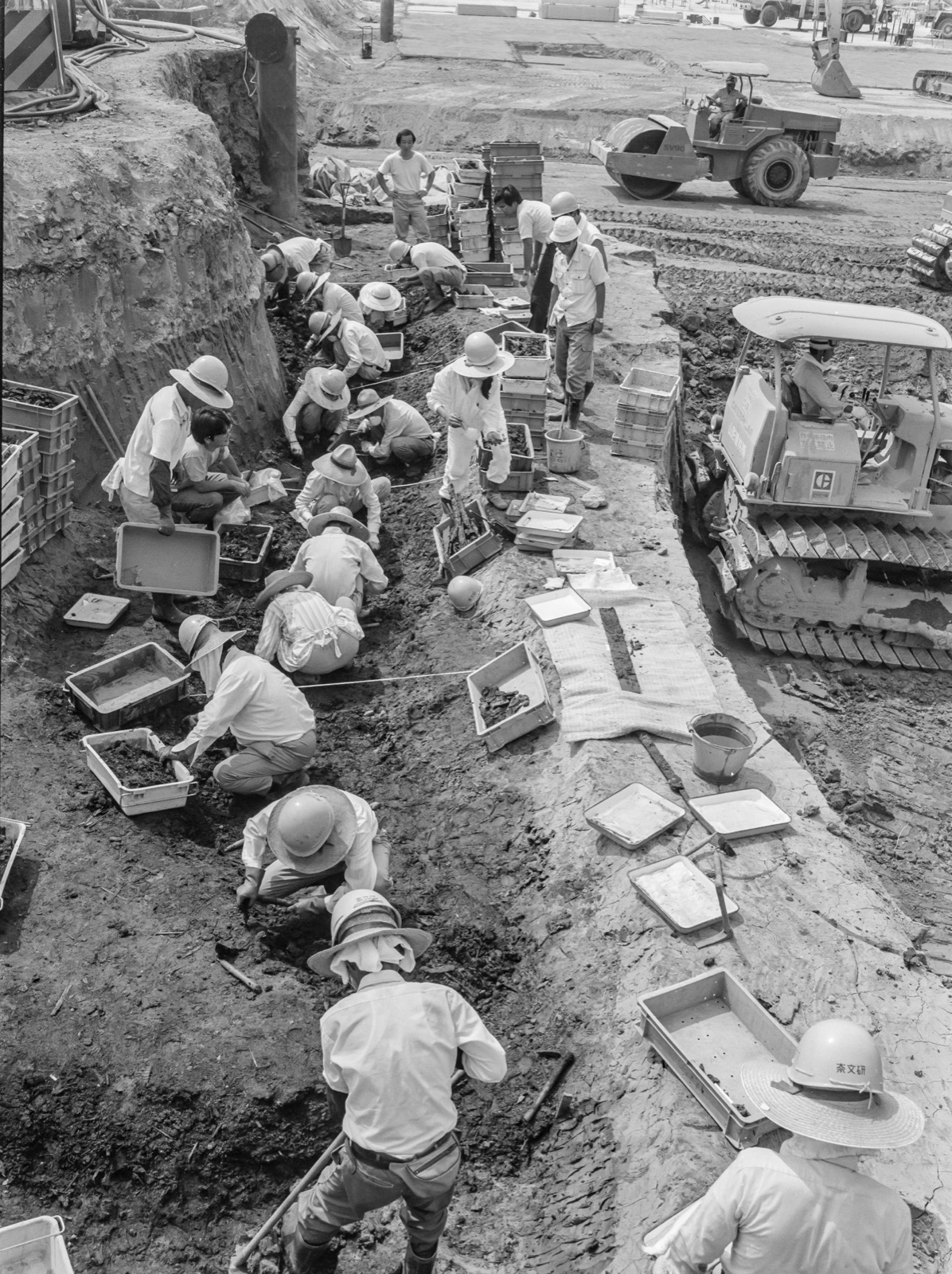
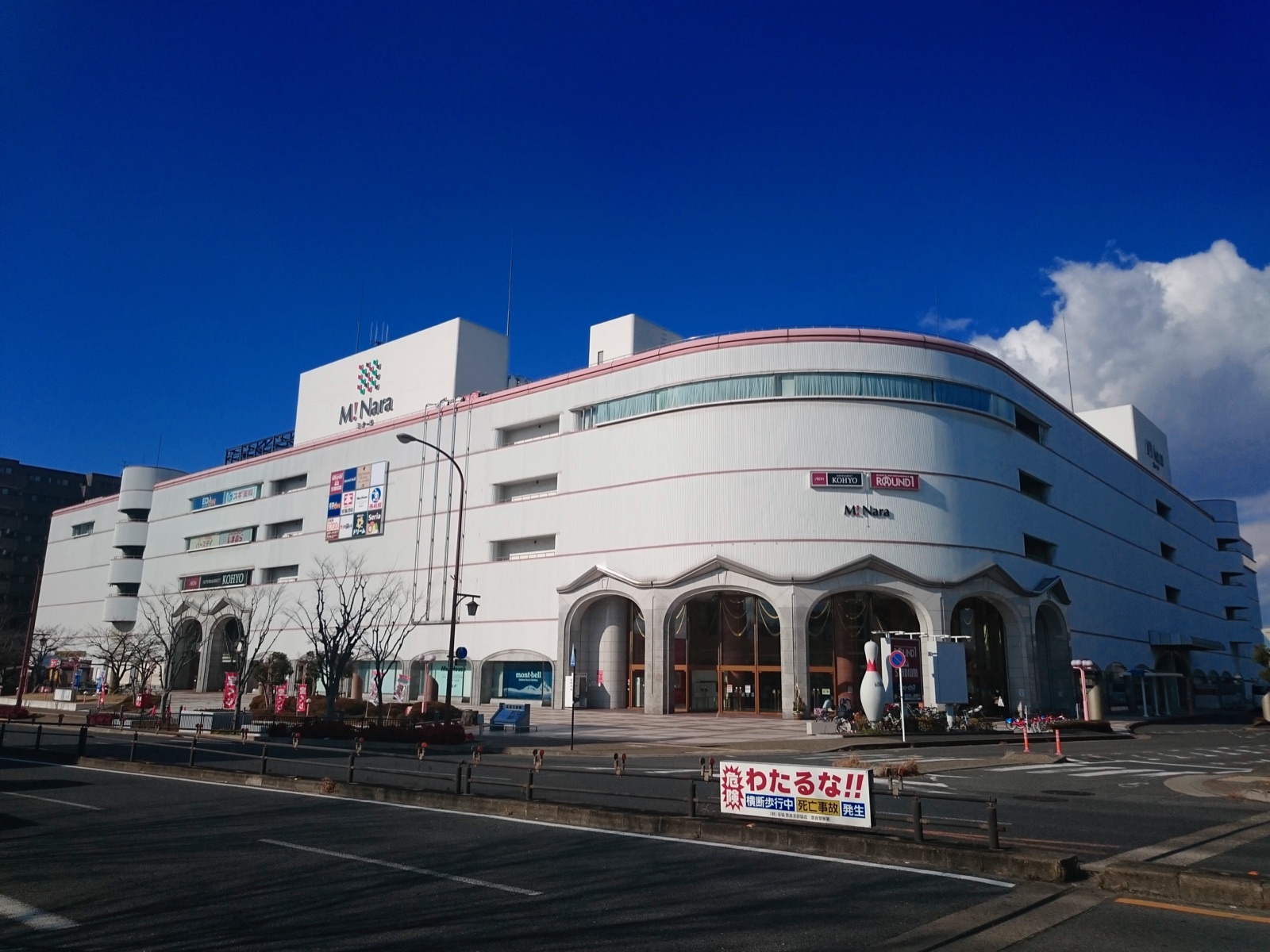
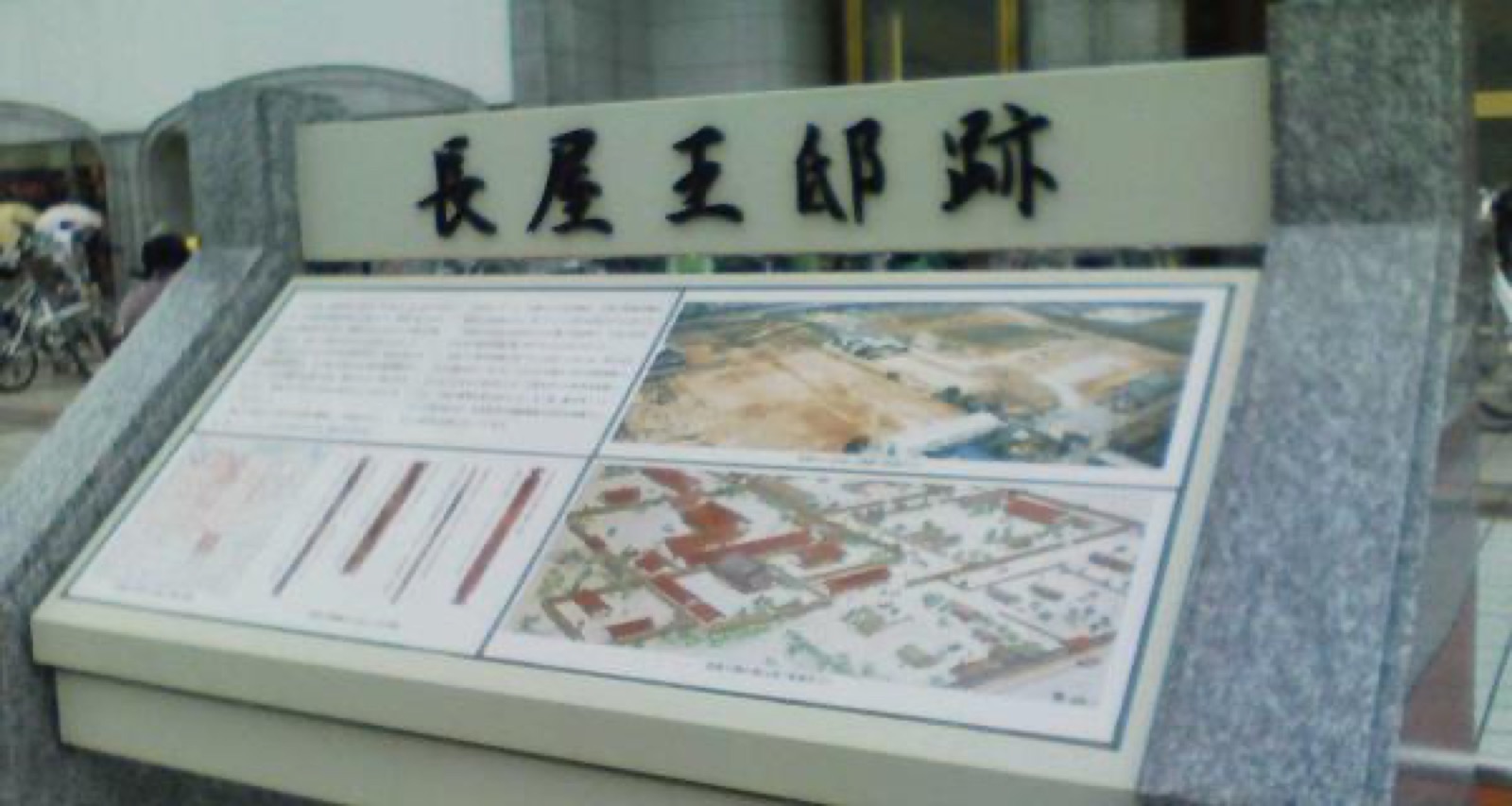
From 1986 to 1989, an excavation was carried out at the planned site of a department store in Nijō-ōji-minami, Nara. On 26 August 1988, the remains of a Nara-period aristocratic mansion were found, together with a great quantity of wooden tablets. Some forty thousand pieces. Among them was a strip inscribed "長屋親王" (Nagaya, with the title of imperial prince), from which it became clear that this had been the mansion of Prince Nagaya (長屋王) — Minister of the Left in the early Nara period.
What the official history records of Prince Nagaya is that his mansion was surrounded in a coup and that he took his own life (729). But what the strips out of the mansion's rubbish tell is something else entirely.
・鶴二隻米四升○/受□万呂/○〈〉∥○◇・○十月卅日○◇
Two cranes, four shō of rice. The thirtieth day of the tenth month.
・□〔御ヵ〕犬四頭米□〔四ヵ〕→・○四月四日
Four dogs of the household (probably), rice. The fourth day of the fourth month. Another strip, from another day, reads "five dogs, two and a half shō" — the head-count moves from chit to chit.
・太若翁犬米一升受小白九月十七日◇・○豊国○◇
For the young master's dog, one shō of rice. Received by 小白. The seventeenth day of the ninth month. A strip from the seventh month has the same 小白 on it, and in two pieces of wood you can see the daily round of looking after the dogs going on.
Cargo tags for abalone, records of ice, chits for the dogs' and the cranes' feed. A bundle of discarded chits speaks of the life of this house more eloquently than the official history.
After the excavation, much of the remains was lost to construction work. The site became a department store, and is now a shopping mall (Mi-Nara). In one corner of the grounds stands a single memorial stone.
④ Only a name and an age survived
Among the strips of the Prince Nagaya household, there is a shaving.
持麻呂○/年十三∥○子羊○/年十∥
持麻呂, aged thirteen. 子羊, aged ten.
They were the young staff (少子) of the crane keepers' office (鶴司) — child employees. Another strip carries a chit for six shō of cooked rice for three young staff of the crane office (虫万呂, 田人, 国嶋). Of children who were at work thirteen hundred years ago, only a name and an age came out of the rubbish heap.
The writer of the previous piece (#008) had his words survive, and not his name. For these children, a name and an age survived, and nothing else at all. It is another form of what it is to "remain" in history.
Neither 持麻呂 nor 子羊 can have imagined they would last thirteen hundred years on a receipt for the dogs' dinner. …And somehow that feels right to me.
There is one more strip of the same "a name and an age" kind. It is a tablet we were told about by someone in Nara who had watched this episode. The transcription (the original text, verbatim from the database record):
□牟須売〇/年五十九/左∥〇日参佰弐拾玖〇/□/〇□〔坊ヵ〕∥
牟須売, aged fifty-nine. Days on duty, three hundred and twenty-nine.
It is a kōka (考課) tablet, used in the service assessment of women officials. It came from the same government-office area as the times-table strip in ② — the eastern government-office district of the Heijō palace site. According to the report of the Nara National Research Institute for Cultural Properties, this is said to be the first kōka tablet for a woman official found at that palace site🟡 Disputed.
Under the ritsuryō codes, the number of days present required for one to be eligible for assessment was fixed: 240 days for officials on continuous duty (長上), 140 for those serving by rotation (分番), and 200 for toneri (舎人) attendants🟡 Disputed. Three hundred and twenty-nine goes well past that lower bound. And it is said that among the kōka tablets of male officials, fewer than three hundred days made up the majority🟡 Disputed. This person is on the high side.
One more thing. Among the tablets recording the same "days on duty" (上日), there is one written like this.
无位井戸臣百嶋○/年廿九/右京∥○上日○/日三百廿六/夕二百六∥○「并五百卅二」
Day, three hundred and twenty-six. Night, two hundred and six. Together, five hundred and thirty-two.
Day and night are counted separately. Three hundred and twenty-six days of day duty, two hundred and six turns of night duty, five hundred and thirty-two in total. A year has only three hundred and sixty-five days, which means there were days on which he came for both the day and the night.
A government office thirteen hundred years ago was writing down, one strip of wood per person, how many days each of them had come in, and counting.
A name, 牟須売; an age, fifty-nine; and a count of three hundred and twenty-nine days — that is all that survives.
Fifty-nine, and three hundred and twenty-nine days. …Please, take a day off.
Sources = Mokkanko (the wooden-tablet database of the Nara National Research Institute for Cultural Properties), individual records 6AAEMR43000106 (牟須売 / aged fifty-nine, 329 days on duty, eastern government-office district of the Heijō palace) / 6AFITF11000193 (井戸臣百嶋 / aged twenty-nine, day 326, night 206, together 532). Both transcriptions verbatim, obtained 2026. (The database is in Japanese.)
⑤ One strip the film did not speak of — the specification for an ice store
There is a strip we bring out only in the Kura. A record of the ice stores at Tsuge (都祁) — a huge tablet 1.25 metres tall, longer than the lost-horse notice (99 cm). The transcription (the original text, verbatim from the database record):
・都祁氷室二具深各一丈/廻各六丈∥○取置氷○/一室三寸/一室二寸半∥○令被草千束○/一室各五百束∥○苅廿人○/一人各五十束∥功応給布三常〈〉○/〈〉∥○米四斗塩一升○戸加須加比二具応造鉄二斤
・○和銅五年二月一日火三田次
The first day of the second month of Wadō 5 (712). Two ice stores at Tsuge (in present-day Nara City). Each one jō deep, six jō around. The ice laid in is three sun thick in one chamber, two and a half in the other. A thousand bundles of grass for the covering — five hundred bundles per chamber. Twenty cutters, fifty bundles each. Payment is in cloth, and with it four to of rice and one shō of salt——.
In an age with no refrigeration, the ice for a nobleman's summer was laid up in the hills in winter, like this. The whole arrangement for preparing the ice survives on a single board, numbers and all. It is sometimes introduced as an "ice calendar," but the object itself is not a calendar; it is a specification for building and running the ice stores (→ ⑧-1).
⑥ Rubbish that became a National Treasure
In 2017, the 3,184 wooden tablets excavated from the Heijō palace site were designated, as a single group, a National Treasure. The lost-horse notice and the sick note are among the company that came out of this soil.
Writing that no one meant to keep becomes, thirteen hundred years later, a treasure of the state. Of this channel's premise — scraps of paper that survived off the main current of history — these strips are the oldest instance.
⑦ In photographs
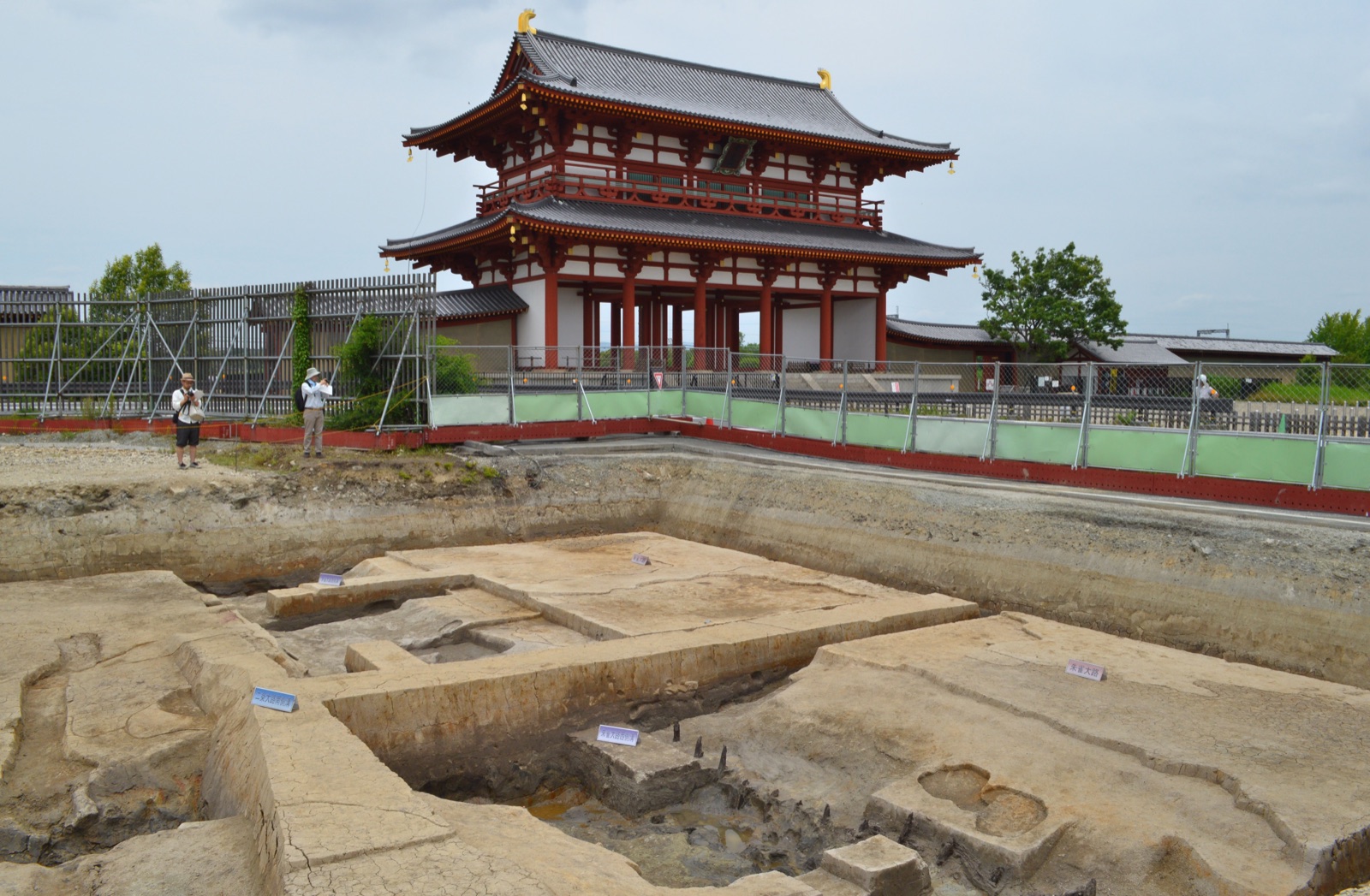
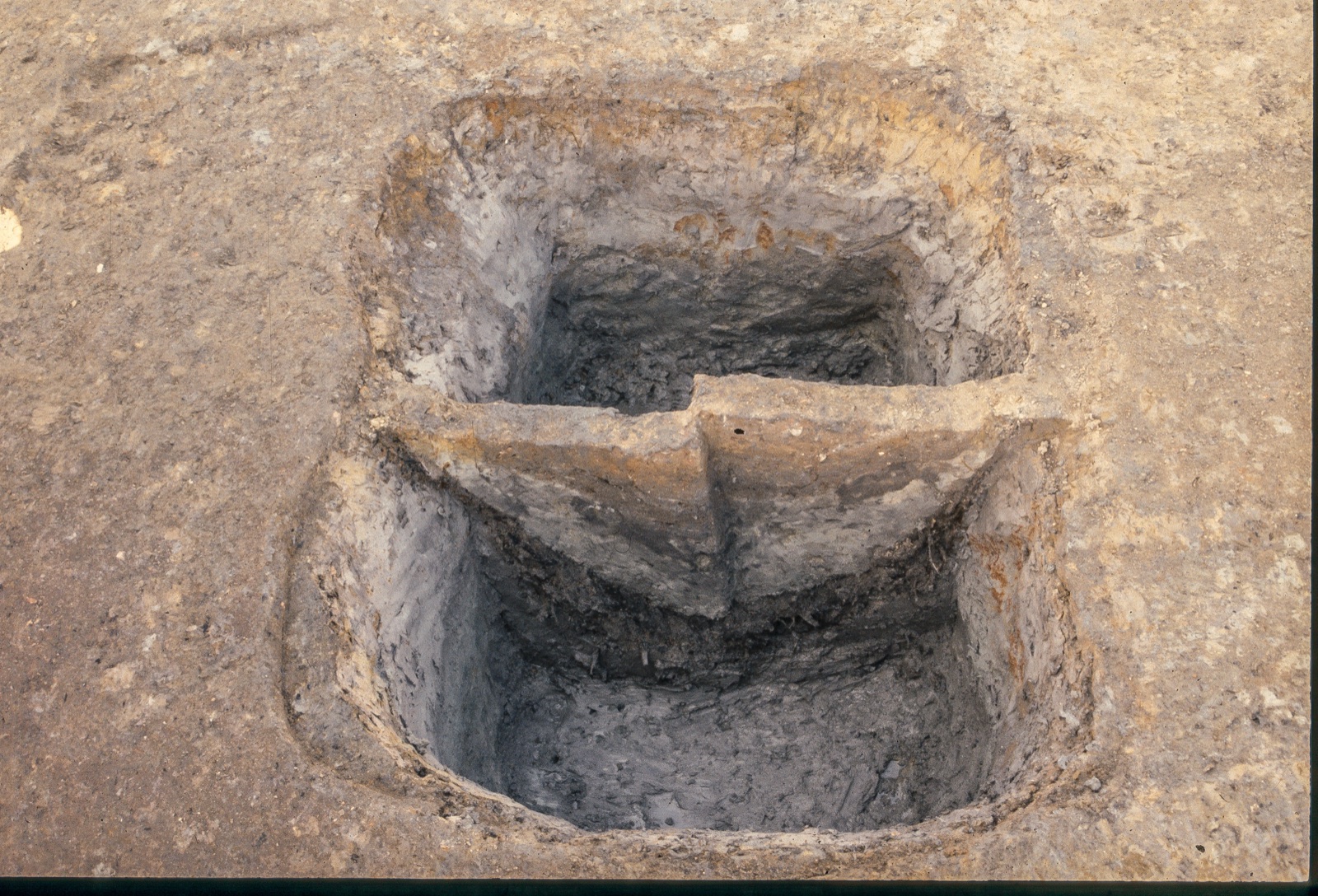
The photographs of the excavations and the remains are publicly released materials from the Nara National Research Institute for Cultural Properties and others; the images of individual tablets are from ColBase (National Institutes for Cultural Heritage).

⑧ In more detail — differing accounts, and what could not be verified
There is not much in history one can call absolutely certain. So this page does not only choose "what is certain": where things are uncertain, we say so, and include them anyway.
At the end of each item we have put the degree to which we could verify it. 🟢 Confirmedbacked by primary/secondary sources 🟡 Disputedsources or scholars differ ⚪️ Unverifiedplausible, but without evidence
1. Not an "ice calendar" but a specification for the ice stores 🟢 Confirmed
The strip in ⑤ is sometimes called "a nobleman's ice calendar" in articles about it. But what the transcription on the database record shows is the dimensions of two ice stores, the thickness of the ice, the quantity of grass for the covering, the labour and the payment — that is, the specification for building and running them. The year (Wadō 5 = 712) is written out in the transcription itself. We do not fit the contents of the object to the lightness of a nickname.
Source = Mokkanko individual record 6AFITC11000261 (transcription verbatim, obtained 2026; in Japanese).
2. Which temple was "Yamashina-dera" 🟡 Disputed
"Yamashina-dera," the place of contact on the lost-horse notice, is customarily read as the earlier name of Kōfuku-ji. But the strip records only the temple's name, and the location of "the pond of the flower garden to the south" has not been identified either. The place the strip itself was excavated is Sakyō Ichijō Sanbō of Heijō-kyō (Hokkeji-higashimachi, Nara) — including the interest of its having been found at some distance from the temple, we leave this without asserting a conclusion.
Source = Mokkanko individual record 6AFBCS10000014 (the site-name and province/district/village fields; in Japanese).
3. The times-table strip: a memorandum, or practice? 🟡 Disputed
For the use of the times-table strip in ②, there is a reading that takes it as a working memorandum (a ready-reckoner), and a reading that takes it as writing practice (practice at characters or at figures), and what the database record settles for us goes only as far as "a strip with the multiplication table on it came out of the government-office area." It is sometimes introduced as a "cheat sheet," but that is a modern comparison. What is not known stays not known — that is the most honest way to read this strip.
Source = Mokkanko individual record 6AAFJE27000125 (in Japanese).
4. The "ledger for four dogs and two cranes" is not one strip 🟢 Confirmed
The record of the Prince Nagaya household's animals tends to be introduced all together as "the feed-account ledger for four dogs and two cranes," but the actual objects are several chits of different dates. Four dogs (fourth day of the fourth month), five dogs (a separate shaving), two cranes and four shō of rice (thirtieth day of the tenth month), the young master's dog and one shō of rice (seventeenth day of the ninth month) — each a separate strip. Put together they become easier to grasp; kept apart they become accurate. In the Kura, we set them out as they are, apart.
Sources = Mokkanko individual records 6AFITB11000899 / 6AFITB11001876 / 6AFITD11000102 / 6AFITC11000124 (all transcriptions verbatim, obtained 2026; in Japanese).
5. The dates of wooden tablets come out as a "range" 🟢 Confirmed
Most tablets are given by the dating of the archaeological feature they came from — for the lost-horse notice, for example, "710–907" — that is, as a range. The ones that can be pinned down strip by strip to "a tablet of such-and-such a year" are exceptions, like the ice-store specification (which records Wadō 5 itself). Where this page leaves a date blurred, it is because the blur is what is accurate.
Source = the feature-date field of each individual record in Mokkanko.
6. Where was the notice board stood up? ⚪️ Unverified
By whose permission, and where along the road, was a board a metre tall set up? Backing in the institutions of the time is something this round of research did not obtain. Rather than add a plausible-sounding explanation, we set down only the physical facts of the strip (its length and thickness).
Source = none (this is the record of the fact that no backing was obtained).
Sources
- Mokkanko (Nara National Research Institute for Cultural Properties), individual records = the lost horse 6AFBCS10000014 / 病不参 6AAICJ58000109 / the times table 6AAFJE27000125 / the kōka tablets (牟須売) 6AAEMR43000106 and (井戸臣百嶋) 6AFITF11000193 = record URLs in ④ / cranes, dogs, ice and the rest (record URLs in ⑧; all transcriptions obtained directly in 2026). The database is in Japanese.
- The excavation of Prince Nagaya's mansion and the tablets from it (survey of 1986–89, found 26 August 1988, some 40,000 pieces, the "長屋親王" tablet, the present state of the site)
- The designation of the 3,184 tablets excavated at the Heijō palace site as a National Treasure (2017)
- Photographs = the Cultural Properties Data Repository of the Nara National Research Institute for Cultural Properties (CC BY 4.0) / Wikimedia Commons (each photographer) / images from the individual tablet records = ColBase (National Institutes for Cultural Heritage)
This channel does all source selection, fact verification, and interpretation and final judgment of language by human hands. Parts of production (voice synthesis, image stylization, translation assistance) use AI. See our production principles.
⑨ Watch the film / to the next piece
We go looking for the next piece of paper. Subscribing, and a thumbs-up on this film, are what make that possible.
Watch & subscribe on YouTube → The nameless diary (Makin, #008) → Catalogue of units and fragments →
The facts in this article rest on primary sources (the transcriptions on the Mokkanko records); the main sources are also in the video description. The photographs shown are public domain, or materials under open licences such as CC BY (see each credit). Source of the images of individual tablets: ColBase.
Article text © 2026 紙片の日本史 / Fragments of Japan ・ Corrections of factual error: contact@fragmentsjapan.com