The paper could not be carried out
——Yamamoto Hatao's nine years, and a last letter of four thousand five hundred characters
Yamamoto Hatao (1908–1954). He was born on Nishinoshima, in the Oki Islands of Shimane Prefecture. He studied Russian in Tokyo, took work with the South Manchuria Railway reading Soviet newspapers and journals, and with the defeat of August 1945 was interned by the Soviet Union. He is a man for whom nine years began after the fighting was over.
In 1954, after his voice was gone, he wrote a last letter in writing. Fifteen notebook pages, some four thousand five hundred characters. But no paper written in Japanese could be carried out of that camp.
This page is a place to retrace, with verifiable facts, what the film could not tell.
① His early life, and the nine years — a chronology
The key is as in ⑥. 🟢 = confirmed in more than one source / 🟡 = differs between sources, or is quoted at second hand.
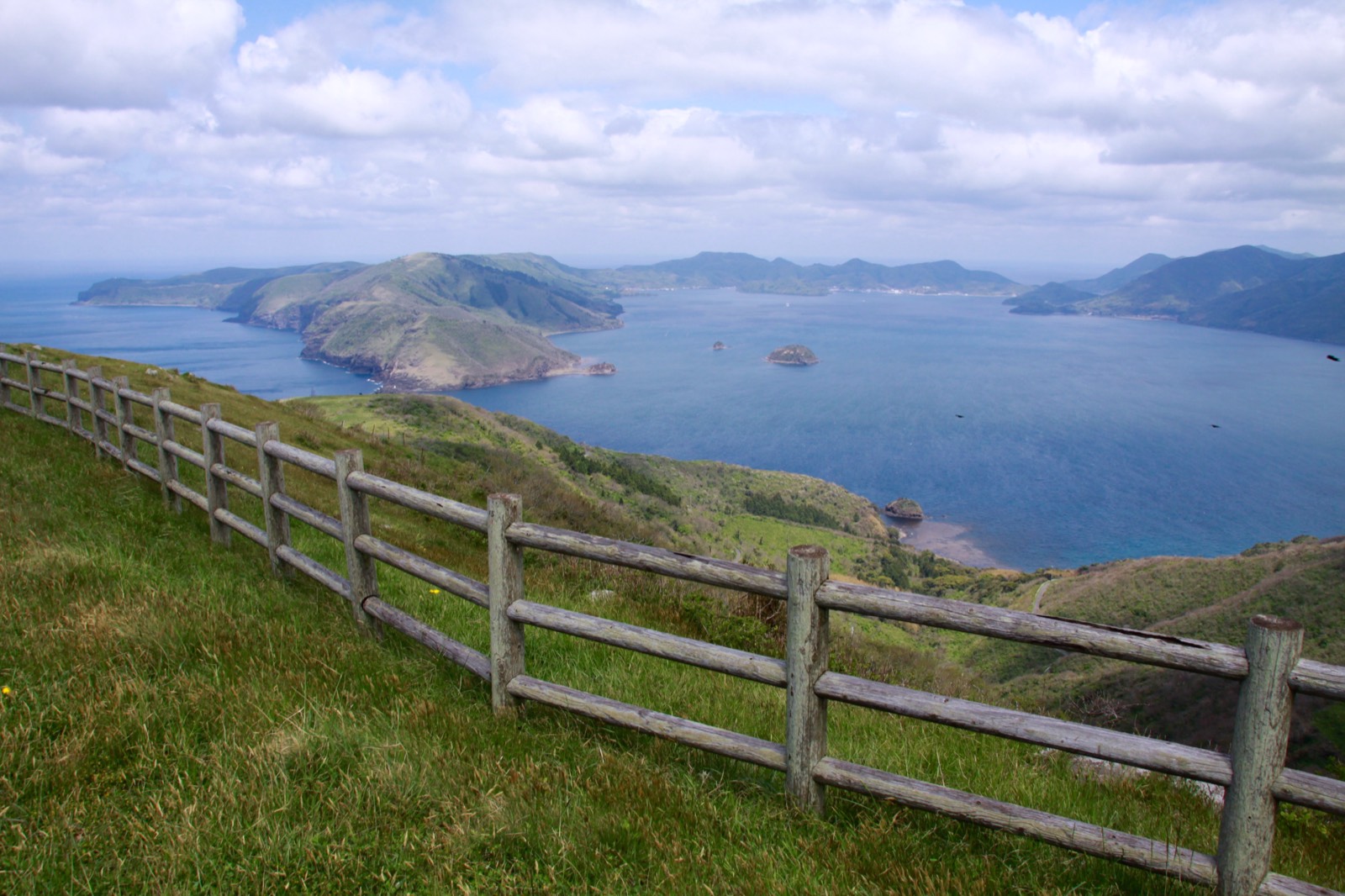
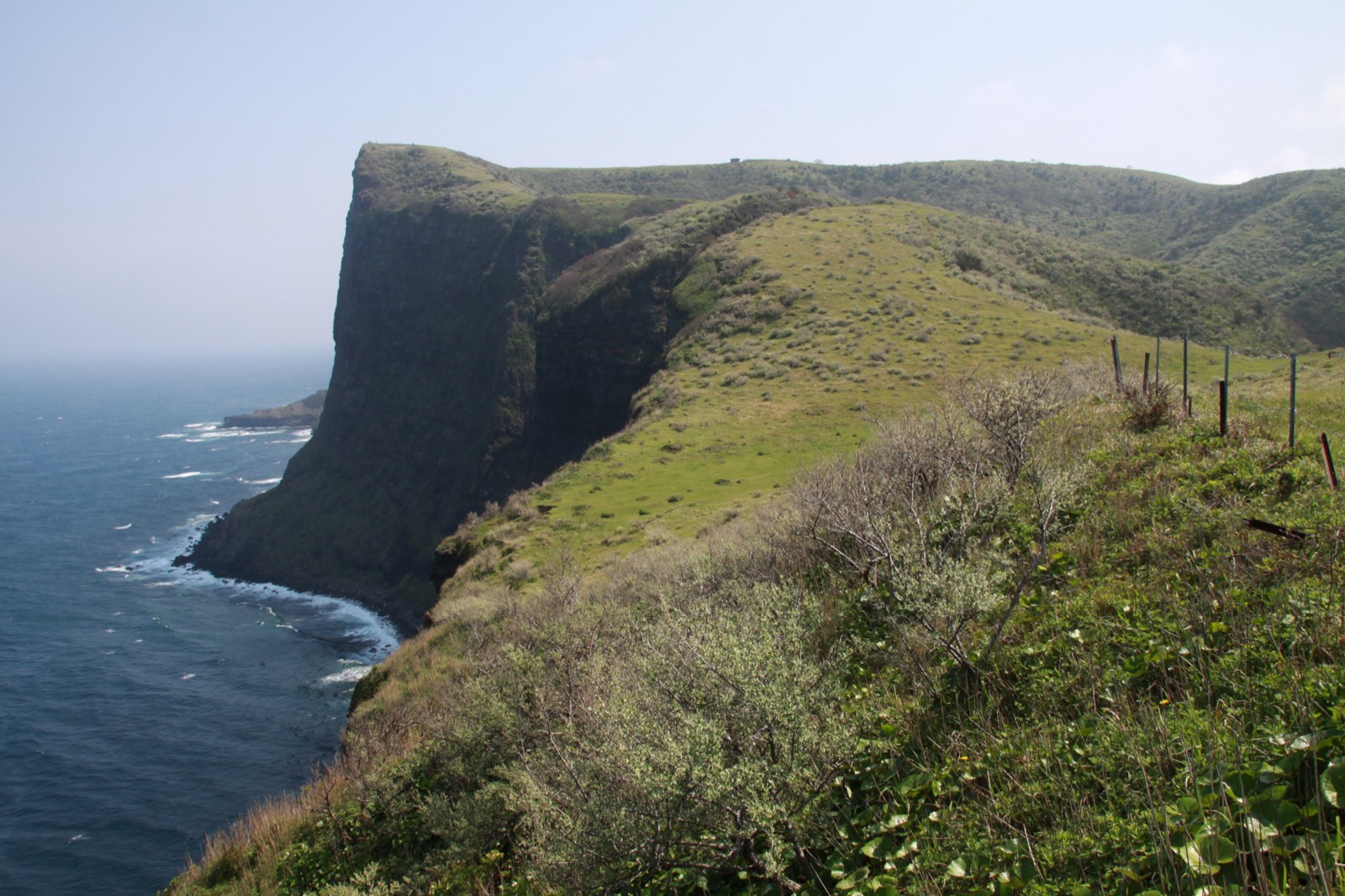
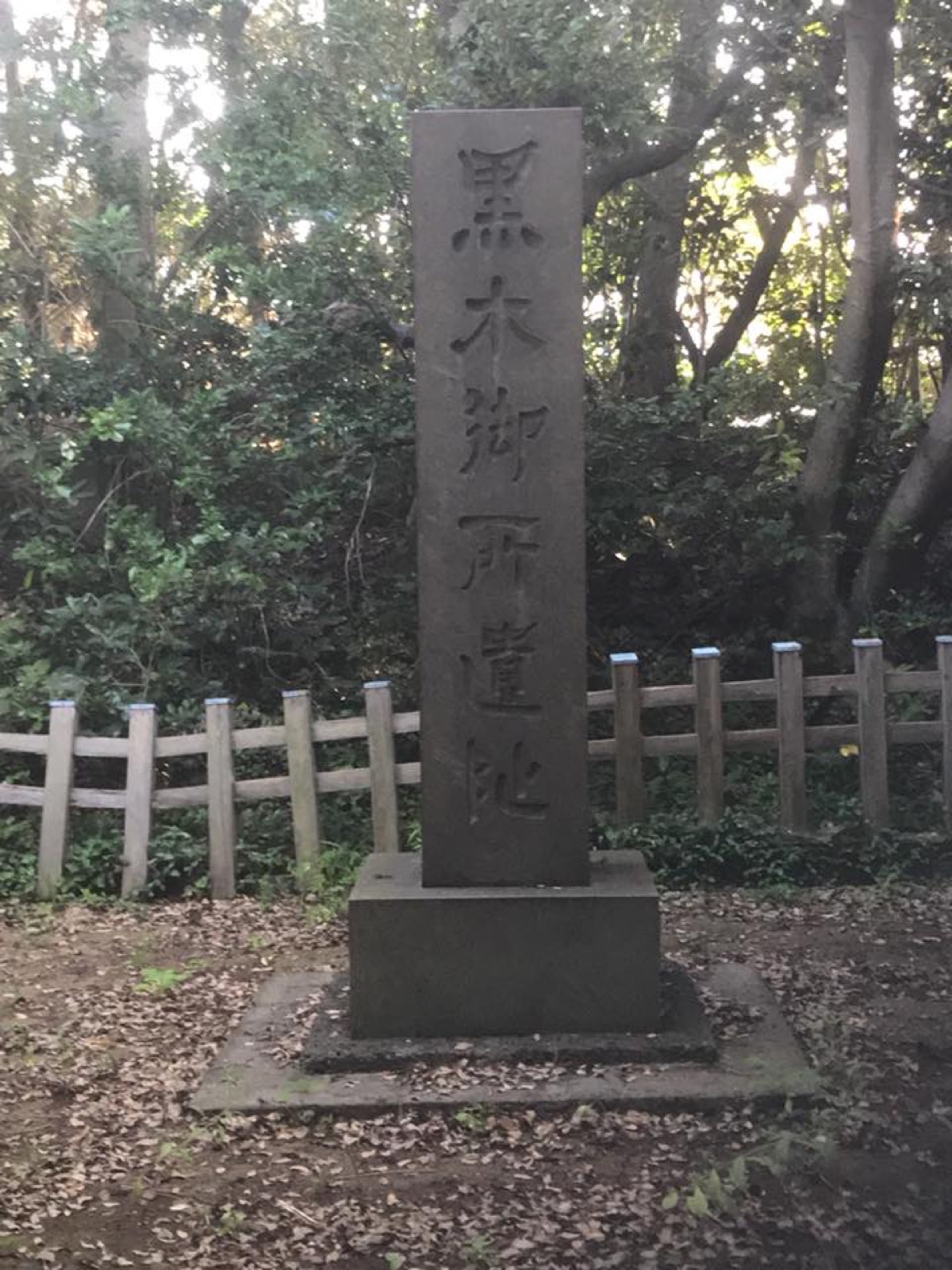
- 🟢 Confirmed 10 September 1908, born at Kuroki village, Chibu district (知夫郡黒木村) in Shimane Prefecture — today part of Nishinoshima town in the Oki district. The eldest son of a primary-school principal.
⚠️There is a separate municipality in the Oki Islands called “Okinoshima town.” Yamamoto's birthplace is Nishinoshima town. - 🟡 Disputed The old-system Matsue Middle School. His marks were good and he served as deputy class leader; poor at sport, but gifted in drawing as well as in writing, it is said.
- 🟡 Disputed He did not go on to university. He had many younger brothers and sisters, and it is said this was not possible for the family.
- 🟡 Disputed April 1926, he enters the Russian department of the Tokyo School of Foreign Languages (aged eighteen). It is said that this came of his being drawn to Russian literature, and of a sympathy he held for the Russian Revolution.
- 🟡 Disputed 15 March 1928. On this day a nationwide round-up was carried out under the Peace Preservation Law (the March 15 Incident)🟢 Confirmed. Yamamoto was arrested on his way to a street contact and expelled from the school shortly before graduating (he did not return to it, and did not graduate).
⚠️The numbers detained, arrested and indicted in this incident vary between sources (several thousand detained / about 300 arrested / 488 indicted, and so on). This page does not set a figure. - 🟡 Disputed The eight years after the expulsion. His father died of illness, and at Tobata in Fukuoka Prefecture he helped in his uncle's coal business while supporting his mother and four younger sisters. Alongside that he is said to have thrown himself into the study of Buddhism.
- 🟡 Disputed 1933, he marries Mojimi (モジミ), a primary-school teacher in Oki.
- 🟡 Disputed 1936, he joins the South Manchuria Railway (Mantetsu). Valued for his command of Russian, he went to the northern research section of the research department in Dalian, and later to the third research section of the research bureau in Xinjing. His result on entry is said to have been “such that the Russian examiner was left amazed.”
- 🟡 Disputed 8 July 1944, conscripted (aged thirty-six, as a private second class). January 1945, to Harbin.
- 🟢 Confirmed August 1945, interned by the Soviet Union with the defeat. For the nine years that followed he was moved between camps in one place after another🟡 Disputed (Sverdlovsk → around 1949 the No. 6 sub-camp at Khabarovsk → from 1950 the No. 21 sub-camp at Khabarovsk).
- 🟡 Disputed His northern research work in the Mantetsu research department, and his translation of Soviet newspapers and journals at Harbin, were treated as espionage, and he was sentenced to hard labour (Article 58, paragraph 6, of the Soviet Criminal Code). Repatriation of prisoners began in 1950, but those designated war criminals were not permitted to return. ⚠️The length of the sentence differs between sources (⑥-5).
- 🟢 Confirmed From around the spring of 1953, trouble in his throat. By May of the following year, 1954, he could no longer produce a voice, and could hold a conversation only in writing (from the published recollections of his eldest son, 山本顕一).
- 🟡 Disputed In May 1953 he was admitted to the hospital inside the camp. In February 1954, on a petition from his comrades that was granted, he was transferred to the central hospital in the city of Khabarovsk, but was judged to be past help, and was sent back to the camp the next day.
- 🟡 Disputed From late in the night of 1 July 1954 into the 2nd, he writes the last letter. Fifteen notebook pages, some four thousand five hundred characters.
- 🟢 Confirmed A hurried note remains from 15 August 1954. “The last letter is only in case of the worst.” — even after writing it, this man meant to come home.
- 🟢 Confirmed 25 August 1954, at 1:30 in the afternoon, he died in the sickroom of the No. 21 sub-camp at Khabarovsk.
- 🟡 Disputed The grave is in a Russian cemetery a little over a kilometre from the camp. Neither his name nor the date was permitted to be written on it, and only a birch grave marker bearing the number “45” was set up (⑥-9).
② “Japanese for showing” — the Nihon Shimbun and the culture section
There was a Japanese-language newspaper in the camps. It was the Nihon Shimbun (日本しんぶん / 日本新聞)🟢 Confirmed. The Central Committee of the Soviet Communist Party approved its publication on 4 September 1945, and the first issue came out on the 15th of the same month. It was published at Khabarovsk and distributed three times a week. It ran to issue 662 (30 December 1949).
This newspaper was under the control of the political directorate of the Soviet army and navy, and its purpose lay in the political re-education of Japanese prisoners — the so-called democratic movement (as described in the paper by 溝渕園子 in the Hiroshima University institutional repository)🟢 Confirmed. The wall newspapers in the camps took this newspaper as their starting point.
The wall newspapers, for their part, were not something granted as a favour. The camp authorities “decided on the establishment of a culture section as a means of steering the prisoners,” and Yamamoto, because he had Russian, was appointed its head🟡 Disputed. He made the wall newspaper, and passed on news of the wider world to his comrades. It was a post inside an apparatus for managing prisoners — that is what it was.
Plays were staged as well. But the scripts were submitted to Soviet censorship each time they were performed, and Yamamoto negotiated in Russian to obtain consent, it is said🟡 Disputed.
The cultural activity also had a structure of reward behind it. “There was talk going round that if you became an aktiv (an activist) you would be released from labour, hunger and cold, and that if you did more still, your place in the order of repatriation would be moved up” — so the same paper records🟡 Disputed.
On the other hand, haiku circles were forbidden. Because “the gathering of Japanese for any purpose other than a specified one was forbidden by the Soviet side,” the haiku meetings were held in secret🟡 Disputed.
Nor was this line fixed across the nine years🟡 Disputed. Around 1951 coarse paper became available, the haiku meetings became part of the culture section, and the poems were posted on the wall of the mess hall. Then an escape in August 1952 brought tighter surveillance, and hobby circles of any kind inside the camp were forbidden. Even so, in the autumn of that same year a haiku meeting is said to have been held in secret, in the changing room of the bathhouse.
⚠️We could not find a source that set out, at the level of Soviet official documents, “why the wall newspapers and the plays were permitted.” The “means of steering” quoted above is the most direct description we have at present.
Japanese for showing was permitted. …Which is to say that the side deciding what to permit was there the whole time.
③ What could not be written on a postcard
What connected the interned to their families was a postcard, known as furyo yūbin (俘虜郵便), prisoner-of-war mail. It was a reply-paid card routed through the International Red Cross and Red Crescent🟢 Confirmed (Peace Memorial Museum for Soldiers, Detainees in Siberia and Postwar Repatriates).
In April 1952, the exchange of a dedicated reply-paid card called a “postcard” (郵便葉書) was permitted🟢 Confirmed. That Yamamoto's cards begin in 1952 coincides in time with this change in the rules.
And there was censorship.
“Because of the strict Soviet censorship, it was not permitted to write on the cards the location of the camp, the harshness of life in internment, or anything of comrades who had died” (Peace Memorial Museum for Soldiers, Detainees in Siberia and Postwar Repatriates)🟢 Confirmed. In the museum's displays there are cards blacked out by the censor, and cards on which riddles were written to slip past the censor.
The number of cards issued was very small as well🟡 Disputed. ⚠️But we could not confirm any concrete limit such as “so many words per card,” nor the name of the department that carried out the censorship.
Yamamoto's cards are written in katakana and characters only (he does not use hiragana). And the opening was always the same🟡 Disputed.
First, I let you know that I am living in good health. Please set your minds at rest.
Source = the prisoner-of-war mail of Yamamoto Hatao (1952–54). The copyright term on the text itself has expired. The verbatim wording is taken from a transcription published on the web whose base text is 辺見じゅん, Rāgeri kara Kita Isho = quoted at second hand, so the confidence level is 🟡.
④ From the last letter — three quotations
The last letter was written from late in the night of 1 July 1954 into the following day, the 2nd. Fifteen notebook pages, some four thousand five hundred characters, written in a single night🟡 Disputed. It was addressed in four parts — to his comrades in the camp, to his mother, to his wife, to his children. The lengths are given as about 700 characters for the main part, about 1,000 to his mother, about 700 to his wife, and about 1,100 to his children🟡 Disputed.
⚠️There is no photograph of the paper of the last letter on this page. The quotations in this episode are placed without any image of the original, in a form that makes the provenance explicit. Below, three passages from the last letter are quoted. The copyright term on the writing of Yamamoto Hatao himself has expired🟢 Confirmed. But the verbatim wording comes from a transcription published on the web whose base text is 辺見じゅん, Rāgeri kara Kita Isho = quoted at second hand, so we treat the confidence level as 🟡.
1. The opening — the first lines of the “main part” 🟡 Disputed
You who are the family Yamamoto Hatao leaves behind! It has come to this at last, that I must write a last letter in a corner of a hospital in Khabarovsk. Even taking up the pencil brings tears. How is this writing to be set down properly!
Source = the opening of the “main part” of Yamamoto Hatao's last letter (dated 2 July 1954). The text = copyright term expired / the verbatim wording is quoted at second hand, as above.
2. To his children — not being able to meet 🟡 Disputed
That I die without being able to meet you is the saddest thing of all.
Source = “To my children,” from Yamamoto Hatao's last letter. The text = copyright term expired / the verbatim wording is quoted at second hand.
When their father was conscripted, his eldest son was twelve and his youngest daughter was one.
3. To his children — to the four of them 🟡 Disputed
My four children. Hold together with one another, and work together!
Source = “To my children,” from Yamamoto Hatao's last letter. The text = copyright term expired / the verbatim wording is quoted at second hand.
The part written to his children is the longest of the four. It is not written to them all at once, but one by one, calling each by name🟡 Disputed.
The men who carried the last letter
佐藤健雄 瀨崎清 森田市雄 山村昌雄 新見此助 野本貞夫 後藤隆敏 日下齢夫
These are the men whose names remain in the chronology🟡 Disputed. The one assignment that is known is that 森田市雄 memorised the chapter “My wife!”
⚠️The readings of these names are not given in the sources, and we could not confirm them. On how many men divided the text between them, and when the last of the letters arrived, the sources disagree (⑥-1 and ⑥-2).
Eight names remain. …The names of men whose work it was to memorise, and go home.
⑤ In photographs
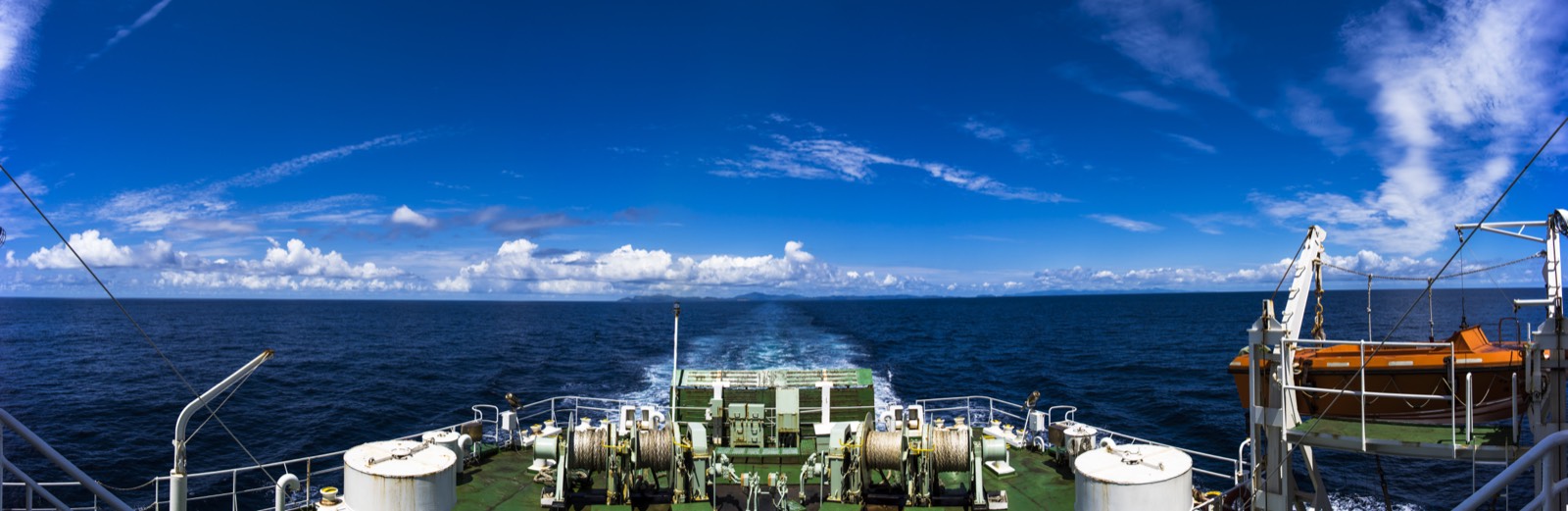
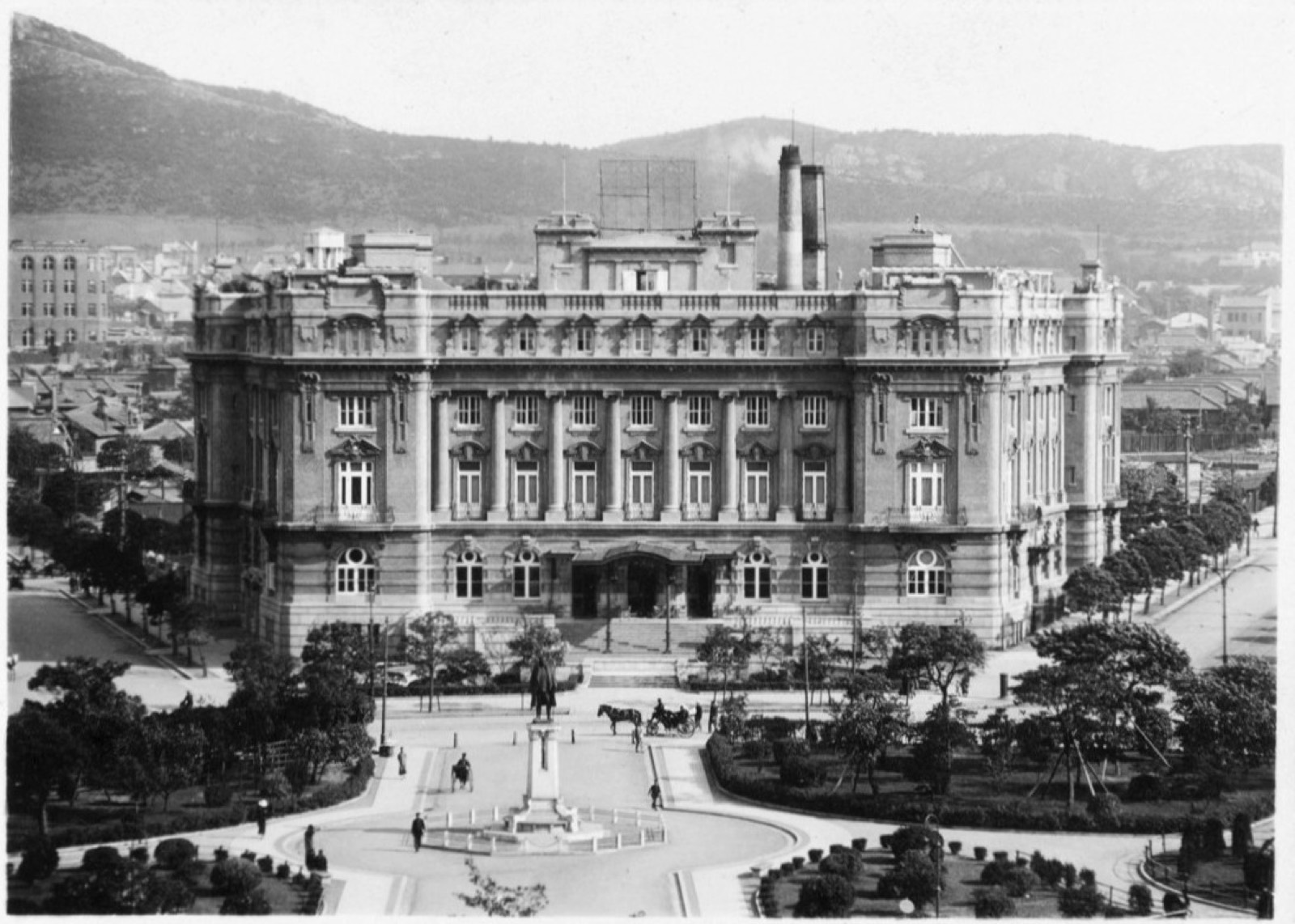
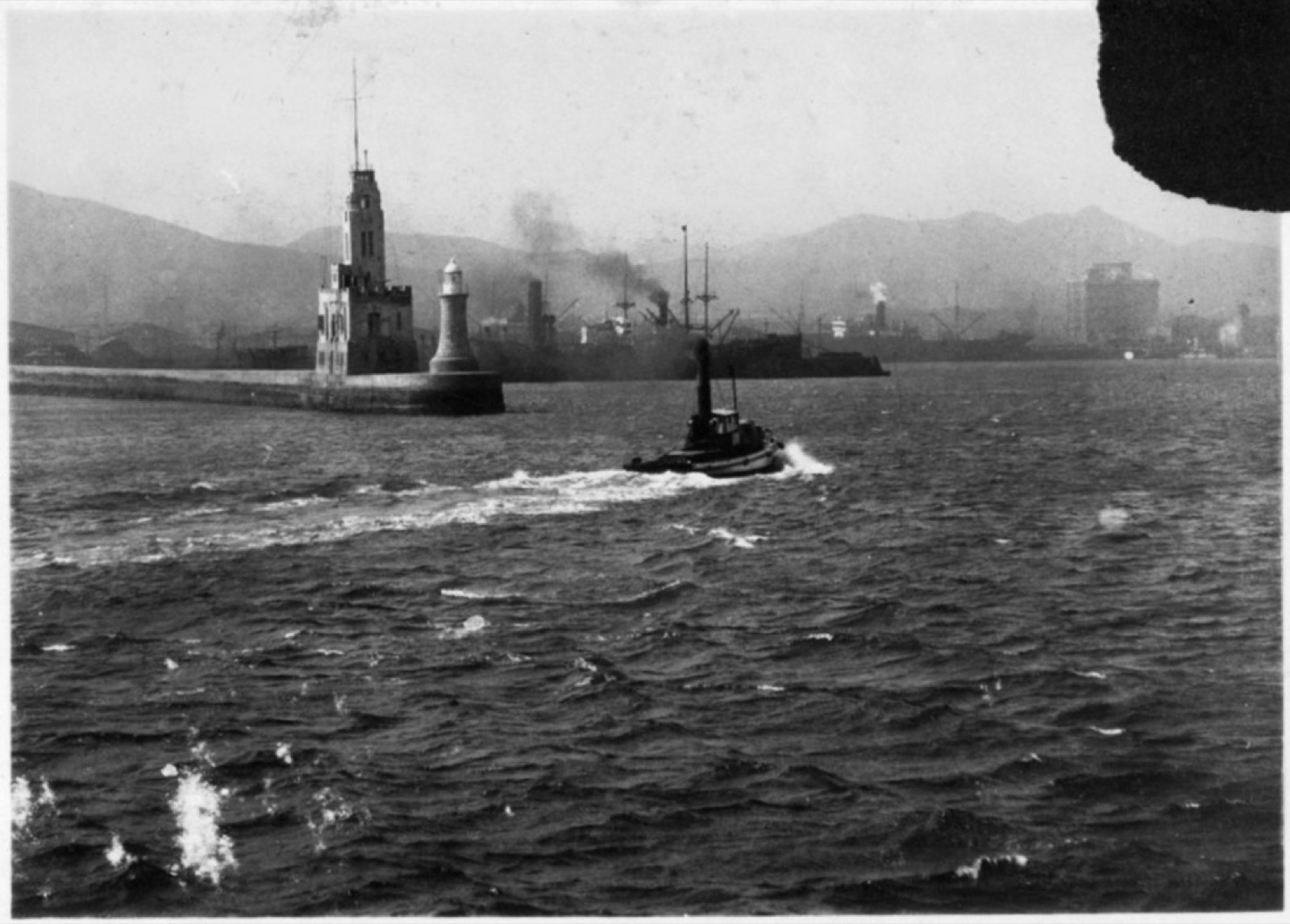
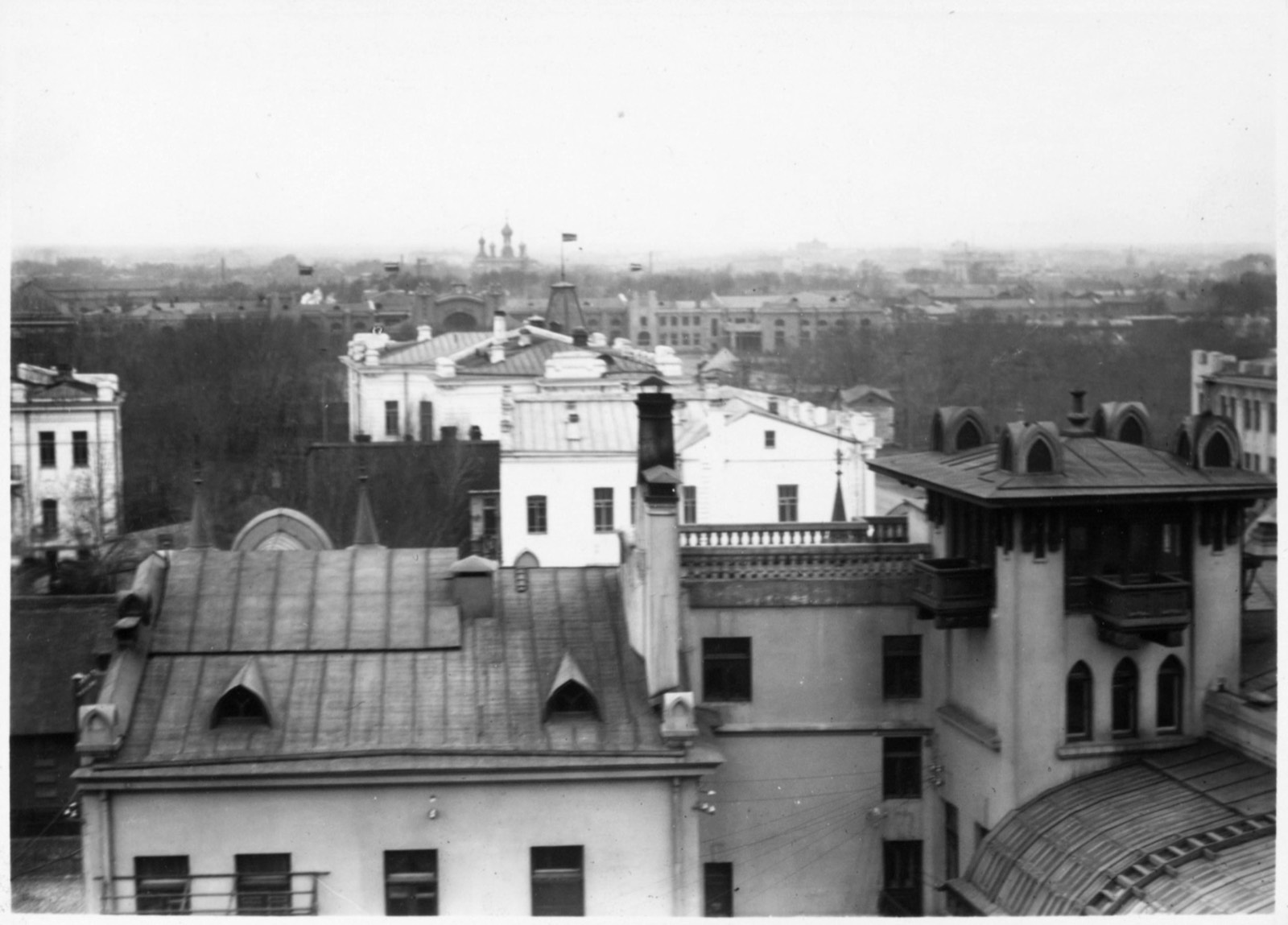
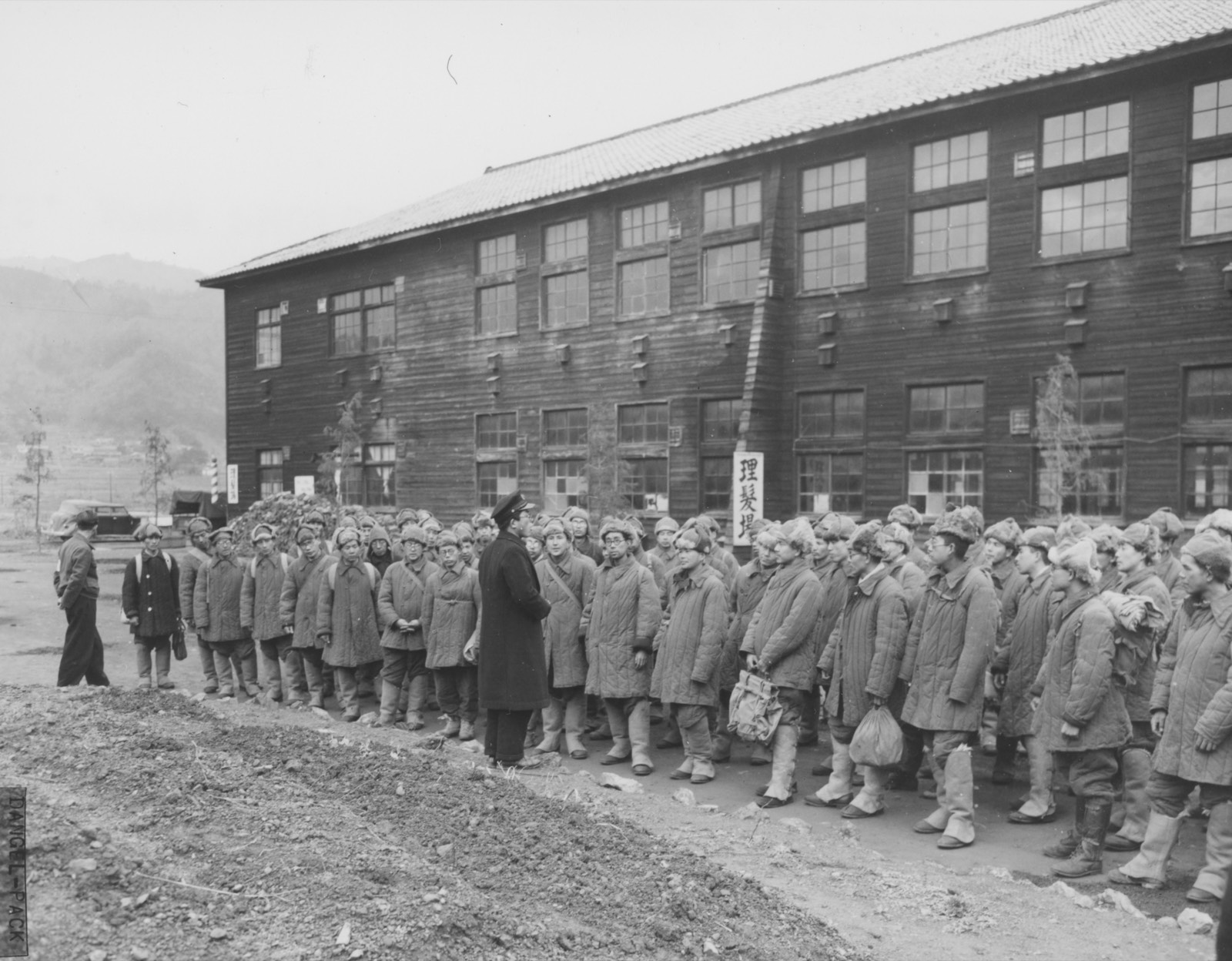
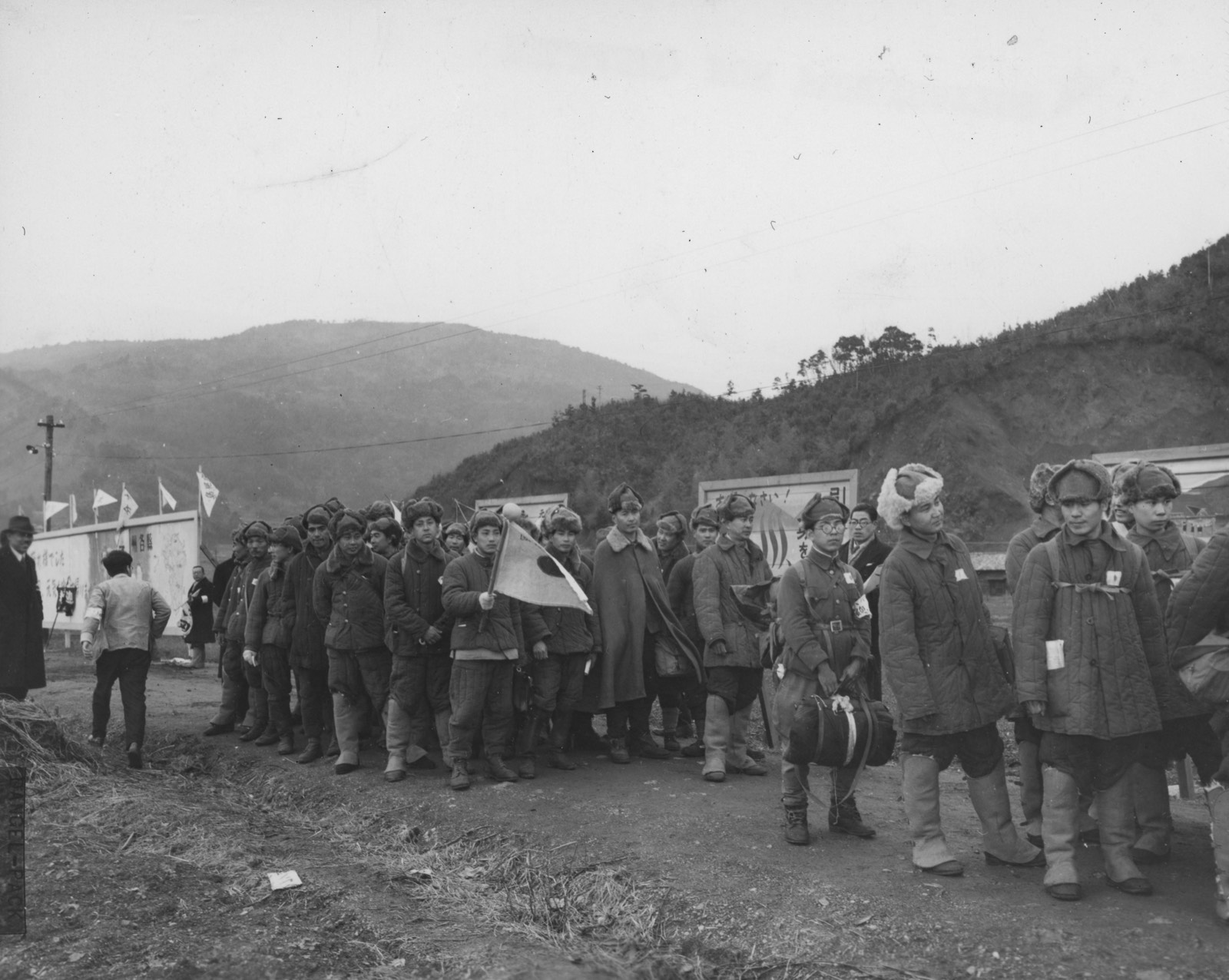
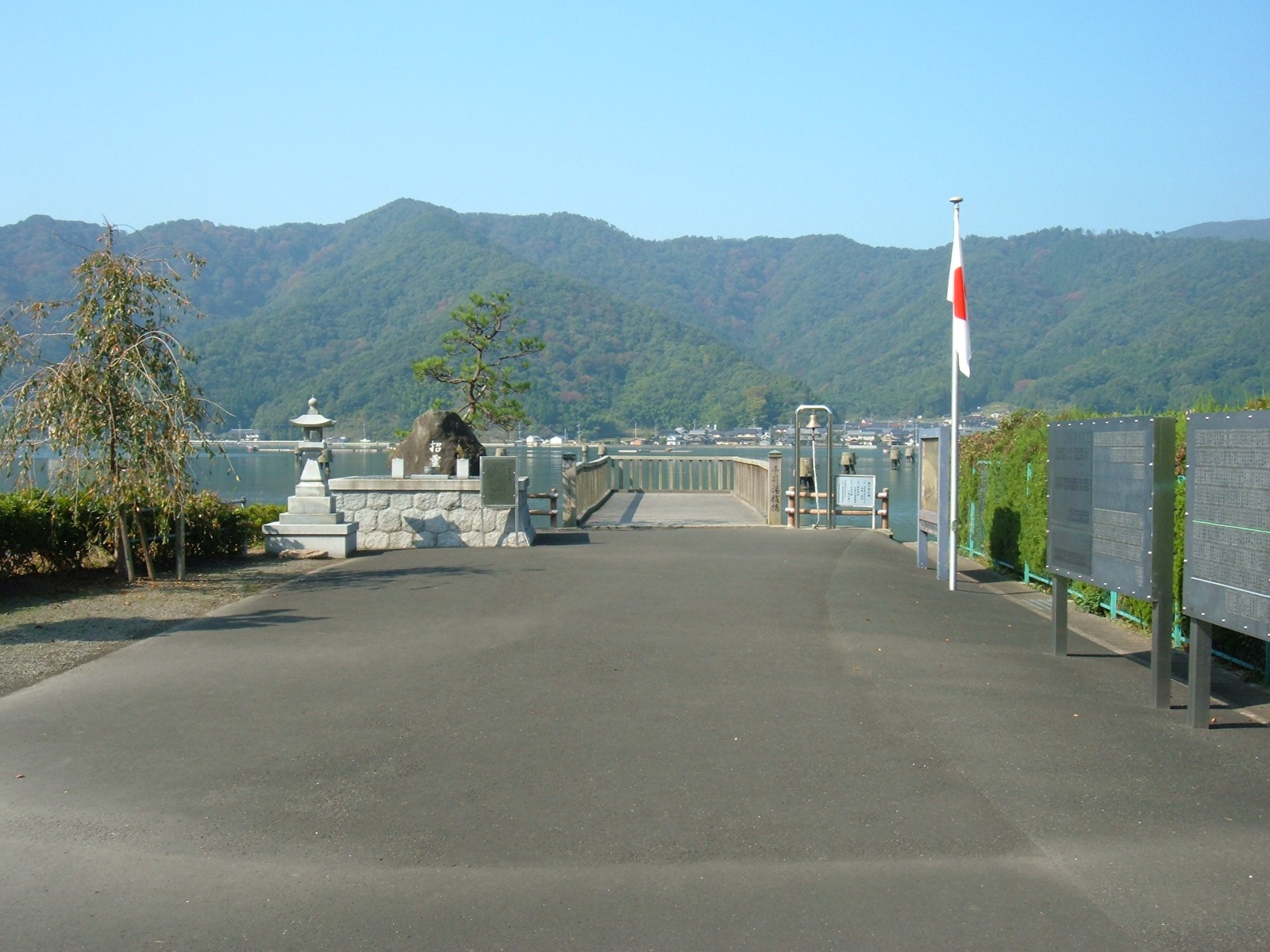
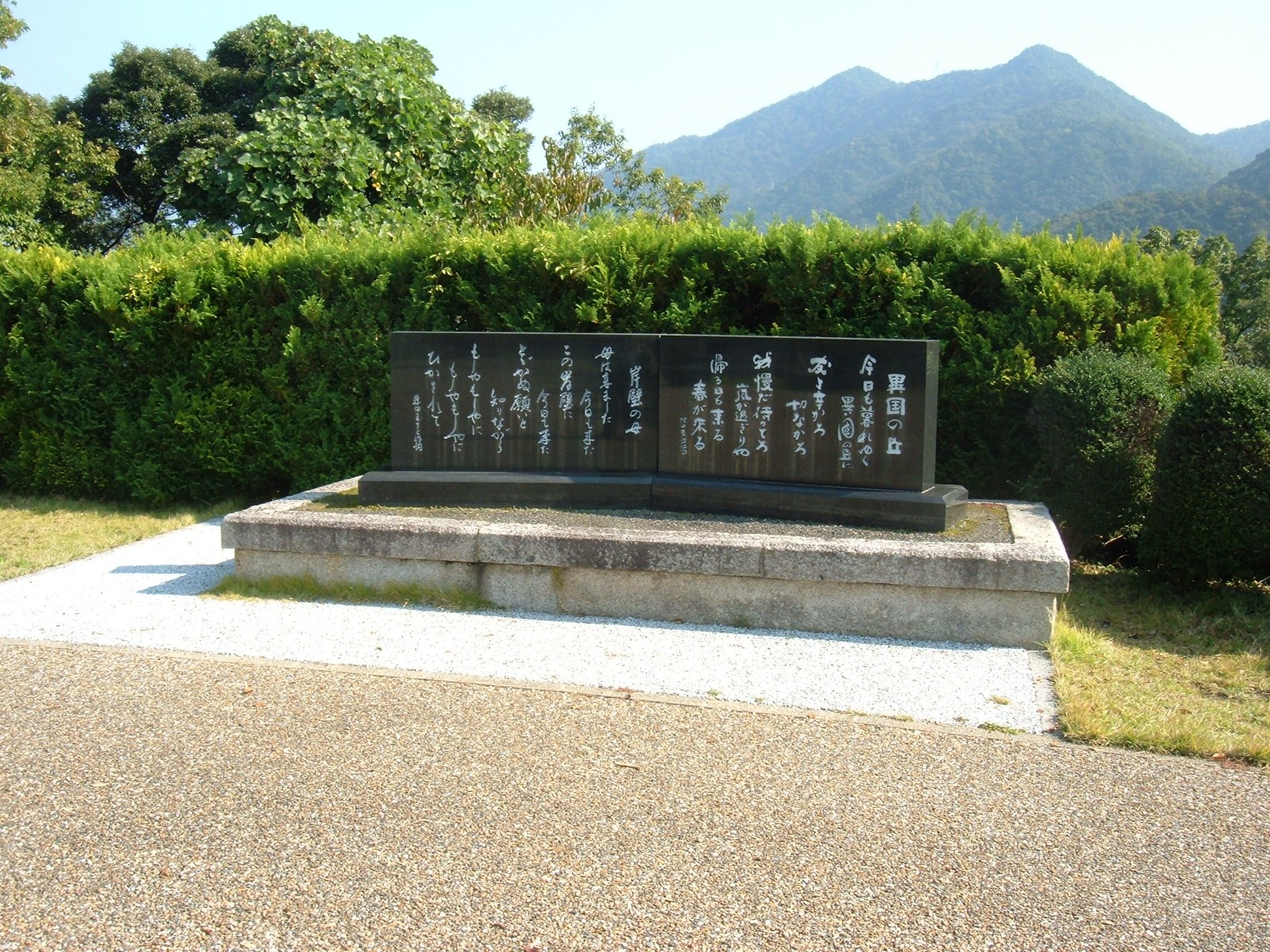
Here are photographs of the same places and the same times that would not fit on the screen of the film. The sources are as given in each caption (the prewar photographs are out of copyright term; the present-day photographs carry the Creative Commons credit shown).
⑥ In more detail — differing accounts
The key: 🟢 = confirmed in more than one source / 🟡 = differs between sources, or is quoted at second hand / ⚪️ = no backing obtained. Where we do not know, we write that we do not know.
🟢 Confirmedconfirmed in more than one source 🟡 Disputeddiffers between sources, or is quoted at second hand ⚪️ Unverifiedno backing obtained
1. How many men divided it between them and memorised it 🟡 Disputed
There is a summary that says “six,” a regional newspaper that says “seven,” and a detailed chronology that says “seven letters arrived.” This page does not set a number.
2. When the last of the letters arrived 🟡 Disputed
That the first of them arrived in the middle of January 1957 is agreed by more than one source (it is just after the last repatriation ship, the Kōan-maru, entered Maizuru on 26 December 1956🟢 Confirmed).
What differs is what came after. Against a summary that says they had all arrived within 1957, a detailed chronology records that the seventh of the letters arrived in 1987 = in the thirty-third year after his death. The latter is a description on a personal website (its base text being 辺見じゅん, Rāgeri kara Kita Isho), and we have not been able to confirm it against the book. This page writes only that both exist.
3. The name of the illness divides four ways between the sources 🟡 Disputed
“Malignant sarcoma of the pharynx,” “carcinosarcoma of the throat,” “carcinosarcoma of the larynx,” “cancer of the larynx” — the wording is mixed even within a single source. That is why no name of an illness is written on this page. What can be written goes as far as “an illness of the throat, after which he could not produce a voice.”
4. His age at death disagrees within one and the same source 🟡 Disputed
“Forty-four” and “forty-five” are both present within the same source. Here we go no further than giving the years of his birth and death (1908–1954).
5. There are two versions of the length of the sentence 🟡 Disputed
There is a description saying “twenty years,” and the recollection of his eldest son saying “twenty-five years.” We do not assert either.
6. Who it was that urged him to write the last letter 🟡 Disputed
The recollections of his eldest son, 山本顕一, have it that 佐藤健雄, who had been his superior in the Mantetsu years, decided on it and asked him. The chronology, on the other hand, has it that 佐藤健雄 pressed the request after a proposal from 瀨島隆三 (the first head of the corps headquarters). This page sets both down side by side and does not stand on either.
For what it is worth, that Yamamoto, asked to do it, wrote just two characters — “tomorrow” — in the notebook he used for writing is in his eldest son's recollections🟢 Confirmed.
7. He made a posthumous Buddhist name for himself, and corrected it the next day 🟡 Disputed
Having written a posthumous Buddhist name for himself, 「久遠院智光日慈信士」, he is said to have written it out again the following day: 「久遠院法光日眼信士ト訂正シテクダサイ」 — please correct it to this.
8. The number interned, and the number who died 🟢 Confirmed 🟡 Disputed
The estimate of the Japanese government (Ministry of Health, Labour and Welfare, Social Welfare and War Victims' Relief Bureau) is about 575,000 interned and about 55,000 dead (of whom about 41,000 have been individually identified)🟢 Confirmed. This source also sets out the method of the estimate — “estimated mainly from interviews with returning internees at the ports at the time of repatriation, in the 1940s and 1950s.”
On the other hand, research based on Russian official documents, and estimates by researchers in the United States, give figures greatly different from these🟡 Disputed (we have not been able to consult the originals of either). The figures differ greatly according to the source.
For what it is worth, no figure appears in the text of the Siberian internment special measures law (2010)🟢 Confirmed. What is written there is the recognition of facts: “a place of bitter cold,” “wretched conditions,” “harsh forced labour.”
9. The number “45” on the grave marker 🟡 Disputed
The grave is in a Russian cemetery a little over a kilometre from the camp, and neither his name nor the date was permitted to be written on it. What was set up was a birch grave marker bearing only a number. 瀨崎清, who was in the same camp, is said to have slipped past the eyes of the guards and written the name and the date of death in pencil at its foot.
⑦ In closing
The paper of the last letter has not arrived in Japan. What arrived is the text that the men who memorised it and came home wrote out in Japan. What is set out on this page is what stood around those words — the Japanese that was permitted (the wall newspaper) and the Japanese that was forbidden (the haiku meeting), the postcards that passed the censor, and the pier where the ships came in. None of it is the four thousand five hundred characters themselves. Even so, what sort of place this man was in, what he could write and what he could not, can be traced from here.
⑧ About this page
This film and this page are made on the basis of information published by public institutions (materials of the Ministry of Health, Labour and Welfare, the Peace Memorial Museum for Soldiers, Detainees in Siberia and Postwar Repatriates, the Maizuru Repatriation Memorial Museum, and the text of the law), papers in an institutional repository, and the published recollections of a member of his family. The copyright term on the writing of Yamamoto Hatao himself has expired, but every transcription that has put his words into a form readable on the web is quoted at second hand from 辺見じゅん, Rāgeri kara Kita Isho. This page treats that as 🟡 and does not assert. Views on the language are welcome.
Related works (given as bibliography)
辺見じゅん, Rāgeri kara Kita Isho (Bungeishunjū, 1989; Bunshun Bunko, 1992) = winner of the 11th Kodansha Non-Fiction Award and the 21st Ōya Sōichi Non-Fiction Award / the film Rāgeri yori Ai wo Komete (2022, directed by 瀬々敬久; distributed by Toho). This film and this page are not based on the contents of either work. They are listed here as bibliography.
Sources
Ministry of Health, Labour and Welfare, Social Welfare and War Victims' Relief Bureau, materials for the conference of section chiefs (March 2025) / the text of the Act on Special Measures Concerning Issues Relating to Postwar Forced Internees (2010) / the Peace Memorial Museum for Soldiers, Detainees in Siberia and Postwar Repatriates (display notes on prisoner-of-war mail and censorship) / Hiroshima University institutional repository, 溝渕園子, “Nihon Shimbun and Russian and Soviet literature” / the Maizuru Repatriation Memorial Museum (2015, UNESCO Memory of the World, “Return to Maizuru Port”) / the Nishinoshima Furusato Museum / the published recollections of his eldest son, 山本顕一 / a chronology of Yamamoto Hatao (privately compiled; base text 辺見じゅん, Rāgeri kara Kita Isho) / the verbatim wording of the last letter, the prisoner-of-war mail and the haiku circular = as above (= quoted at second hand, confidence 🟡) / photographs = U.S. Army Signal Corps (public domain), Ajia Taikan and other prewar publications (copyright term expired), and Wikimedia Commons as shown in each CC credit.
This channel does all source selection, fact verification, and interpretation and final judgment of language by human hands. Parts of production (voice synthesis, image stylization, translation assistance) use AI. See our production principles.
Watch the film / to the next piece
We go looking for the next piece of paper. Subscribing, and a thumbs-up on this film, are what make that possible.
Watch & subscribe on YouTube → Writing down a language that had no writing (Chiri Yukie, #011) → Follow it on the map → The Kura (index) →
The facts in this article rest on information published by public institutions, on papers in an institutional repository, and on published recollections (the main sources are also in the video description). The photographs shown are public domain or openly licensed materials (see each credit).
Article text © 2026 紙片の日本史 / Fragments of Japan ・ Corrections of factual error: contact@fragmentsjapan.com